
Magnolia cathcartii
Magnolia cathcartii
Description
Growing requirements
Magnolia cathcartii is a rare species of evergreen tree belonging to the Magnoliaceae family. In its natural habitat, the plant is found in the mountain forests of the Himalayas, spanning regions from India to Southwest China and Vietnam.
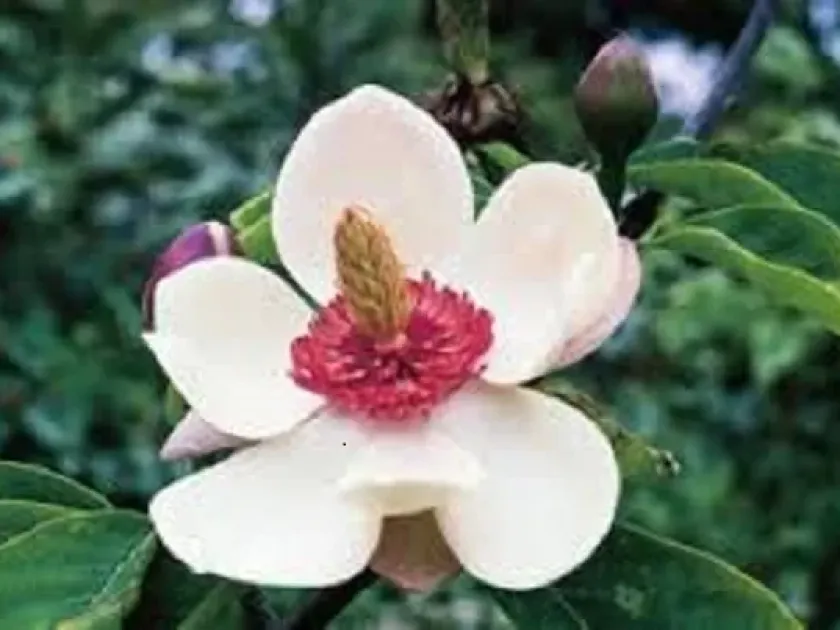
Botanically, the species is characterized by large, leathery leaves of elliptical shape and fragrant flowers that differ from other species in their unique perianth structure. The tree can reach significant heights, forming a dense crown with glossy foliage that retains its ornamental appeal throughout the year.
The plant has high requirements for air humidity and soil substrate quality. Ideally, the culture thrives in slightly acidic, humus-rich, and well-drained soils, which prevent water stagnation in the root system.
The climatic preferences of the species lean towards a subtropical belt with mild winters and a lack of extreme temperature fluctuations. In temperate climates, cultivation is possible only in greenhouses or winter gardens, as the plant is sensitive to severe soil freezing.
The agricultural and ornamental use of Magnolia cathcartii is primarily focused on gardening and landscape design. Due to its rarity and high aesthetic appeal, it is highly valued by collectors of exotic plants as a specimen tree for park zones and greenhouse collections.
Main diseases and pests
The primary threats to the health of this species are fungal diseases that develop when irrigation regimes are disturbed or soil aeration is poor. Infestations manifest as leaf spots, which require the application of fungicides at early stages.
Among pests, the greatest danger is posed by sap-sucking insects, such as scale insects and spider mites. Control involves regular crown inspection and timely application of specialized insecticides or acaricides.
Lack of light or sudden changes in air humidity can lead to premature leaf drop. Maintaining a stable microclimate is a key factor in preventing most physiological growth disturbances in this crop.
To prevent the spread of pests, it is recommended to observe quarantine rules when introducing new specimens into a collection. Regular sanitary pruning to remove dry or damaged branches that become centers of infection is also essential.
In specific greenhouse conditions, the composition of irrigation water must be controlled. Excessive calcium or chlorine content in the water leads to leaf chlorosis, which significantly reduces the ornamental value and slows down vegetation.