
Brooklyn magnolia
Magnolia brooklynensis
Description
Growing requirements
The Brooklyn magnolia (Magnolia brooklynensis) is a distinctive hybrid plant belonging to the Magnoliaceae family, resulting from a cross between Magnolia acuminata and Magnolia liliiflora.
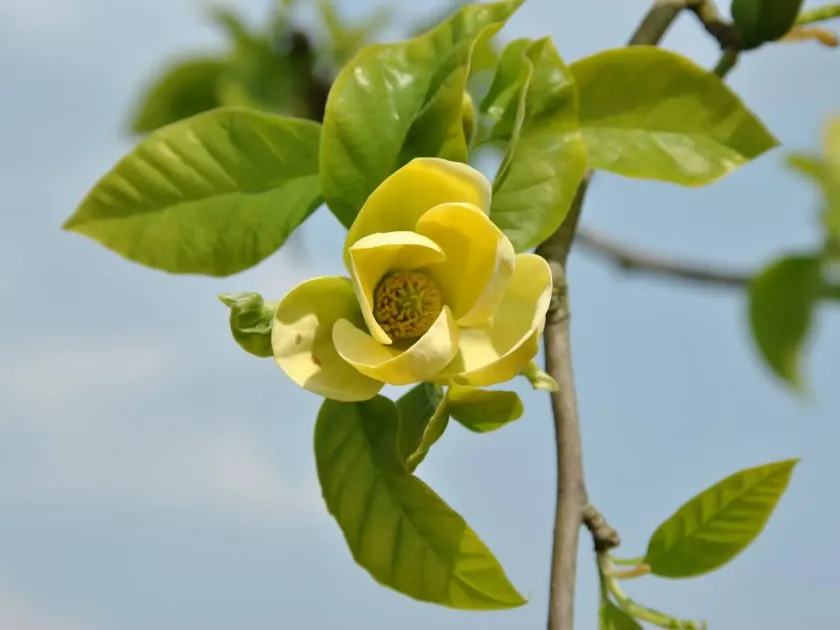
This deciduous tree is valued for its unique flower color, which ranges from deep purple to yellow and green shades, making it a highly prized specimen for ornamental landscaping.
Cultivation requires a location that provides protection from harsh winds and offers rich, well-draining soil with a slightly acidic profile to support optimal nutrient uptake.
It prefers sunny environments to ensure profuse flowering, although in warmer southern regions, light afternoon shade can help protect the leaves from excessive scorching.
Cultural practices include consistent irrigation, especially during the first years of establishment, and applying a thick layer of organic mulch to keep the roots cool and moist throughout the summer.
Main diseases and pests
The most common threats to the health of the Brooklyn magnolia include fungal infections like leaf spot and gray mold, often triggered by prolonged humidity and lack of airflow.
Insect pests, such as aphids and scale insects, are frequently found on the undersides of leaves or on stems, causing physical damage and weakening the plant's overall vigor.
Integrated pest management, including regular inspection and the use of insecticidal soaps, is usually sufficient to handle minor infestations without harming the tree's health.
Root rot is a significant risk in poorly drained sites, so careful monitoring of soil moisture levels is essential to prevent the suffocation of the delicate root system.
Pruning should be done carefully, removing only dead or crossing branches to maintain the natural shape and health of the tree, while using sterilized tools to prevent infection spread.