
Magnolia biondii
Magnolia biondii
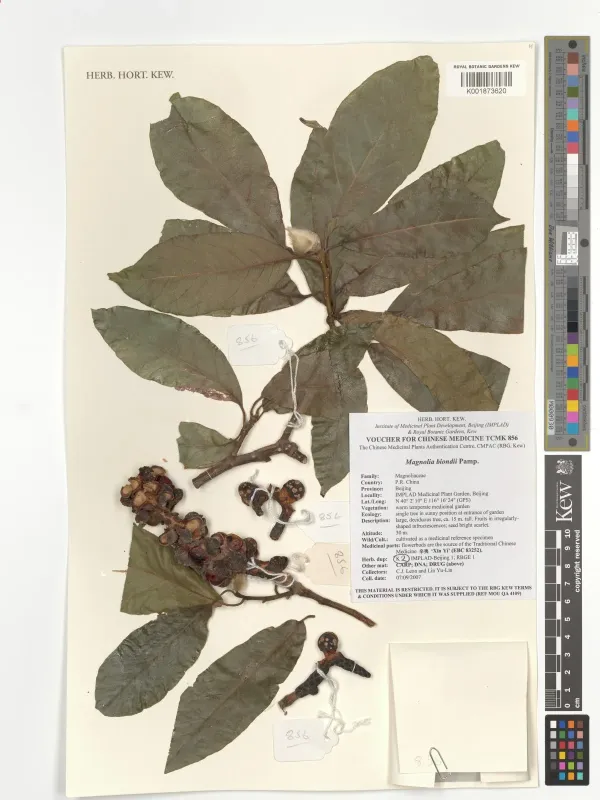
Description
Growing requirements
Magnolia biondii is a notable deciduous species belonging to the Magnoliaceae family, prized primarily for its early spring blossoms. It naturally grows as a large shrub or a medium-sized tree, often reaching heights of over 10 meters in its native habitat.
Originating from the central and eastern mountainous regions of China, this species has adapted to temperate climates. Its biological rhythm is perfectly synchronized with the transition from winter to spring, allowing it to produce flowers before the foliage emerges.
The plant requires deep, fertile, and well-drained soil with an acidic to neutral pH level to thrive. Soil structure is critical, as stagnant water around the roots can lead to root rot and eventual plant failure during the wet seasons.
Ideal planting sites are protected from strong winds and intense afternoon sun, which can dehydrate the plant. In young stages, the tree appreciates a location with light dappled shade, which promotes healthy root system development.
Cultural practices should emphasize consistent soil moisture throughout the growing season and the application of mulch to regulate soil temperature. Using pine bark or peat moss as mulch helps maintain the desired acidity level and protects shallow roots.
Main diseases and pests
Common health issues include leaf spot diseases and powdery mildew, which are often encouraged by poor air circulation within the canopy. Pruning to maintain an open structure is the most effective preventative measure against these fungal pathogens.
Insect pests like scale insects and aphids may inhabit the undersides of leaves or stems, weakening the plant's vigor. Strategic applications of horticultural oils or systemic insecticides are recommended when early symptoms of infestation appear.
Iron chlorosis is a major physiological disorder, characterized by yellowing leaves with green veins, typically caused by high soil alkalinity. Correcting the soil pH and applying chelated iron supplements can restore the plant to health quickly.
Rodents such as voles or rabbits may strip the bark from the lower trunk during the winter, causing significant damage. Protective hardware cloth or wire guards installed around the base provide essential defense for young and thin-barked trees.
Overall plant resistance is closely tied to optimal nutrition and hydration. A well-maintained Magnolia biondii is significantly more resilient to environmental stress and shows lower susceptibility to common pests compared to neglected specimens.