
Ashe magnolia
Magnolia ashei
Description
Growing requirements
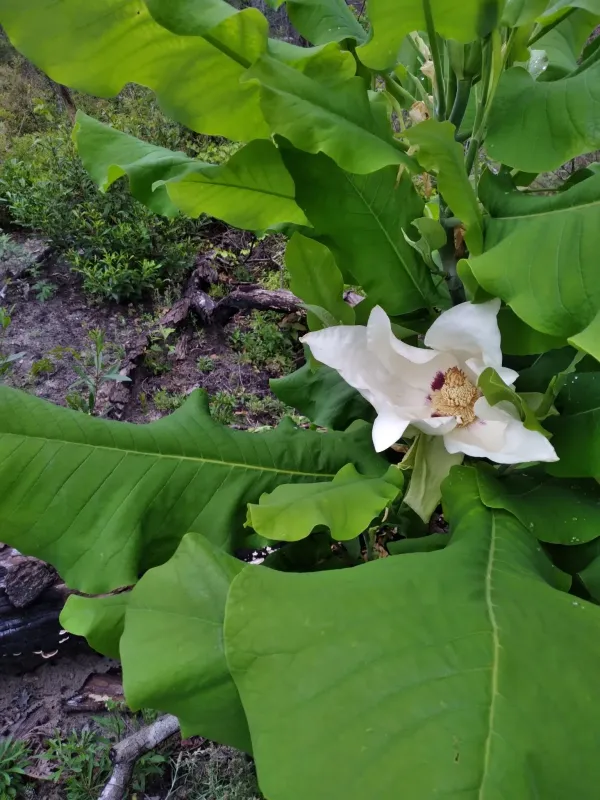
Ashe magnolia (Magnolia ashei) is a distinct deciduous species within the Magnoliaceae family, known for its remarkably large leaves and creamy white flowers. Native to a limited range in Florida, it requires specific environmental conditions to thrive in cultivation.
The plant performs best in sheltered locations that provide protection from strong winds. Its natural habitat is characterized by damp, well-draining soils with high organic content, which should be replicated in garden settings to ensure optimal health and growth rates.
Soil requirements are strict: the medium must be acidic and rich in humus. A neutral or alkaline soil pH often triggers chlorosis, severely limiting the plant's ability to absorb nutrients. Proper drainage is essential, as the root system is highly susceptible to rot.
In terms of climate, Magnolia ashei prefers mild conditions and requires protection against harsh winter frost. While established specimens can tolerate cold, young trees need mulch cover and potentially burlap wrapping to survive freezing temperatures during their first years.
Economically, this species is highly valued in the nursery industry as an elite ornamental plant. It is frequently sought after by collectors and landscape architects looking to add architectural structure to garden designs through its impressive leaf canopy.
Main diseases and pests
Fungal pathogens such as leaf spot are the most common health threats. Proper air circulation within the canopy is crucial to minimize humidity buildup on the foliage, which is a common trigger for fungal outbreaks in humid summer months.
Insect pests including scale insects and spider mites can colonize the plant, particularly if it is under environmental stress. Regular monitoring and early intervention with horticultural oils are recommended to keep infestations at manageable levels.
Nutrient deficiency, particularly iron chlorosis, manifests as yellowing leaves while the veins remain green. This is a common issue in gardens with improper soil chemistry and should be addressed using chelated iron supplements applied to the root zone.
Root rot caused by Phytophthora species is a major risk in waterlogged soils. Ensuring that the planting site has excellent drainage and avoiding over-irrigation are the best preventative measures for protecting the root system.
Mechanical damage from severe weather, such as heavy rain or wind, can break brittle branches. Providing structural support for young trees and choosing a location shielded from gusts helps maintain the integrity of the foliage and overall shape.