
Magnolia angatensis
Magnolia angatensis
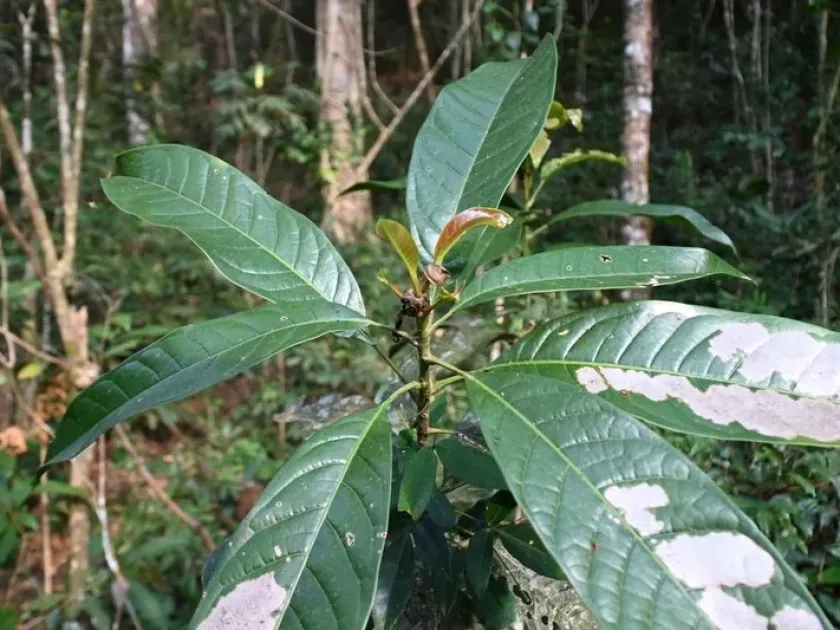
Description
Growing requirements
Magnolia angatensis is a rare woody plant species belonging to the Magnoliaceae family, native to the Philippines, specifically thriving in the humid environments of Luzon island. As a tropical species, it demands precise environmental controls to flourish in cultivation.
The primary growth requirement for this species is a warm, stable climate that mimics the tropical forest floor. It thrives in well-drained, nutrient-rich soils that retain moisture without becoming waterlogged, ideally with a slightly acidic pH level.
Agrotechnical management involves providing filtered light, as the plant is adapted to the shade of larger forest canopy trees. Full sun exposure can lead to leaf scorch, particularly in specimens grown outside their natural habitat.
Botanically, it is an evergreen tree characterized by robust, leathery foliage and delicate, fragrant flowers. Due to its tropical origins, the plant is intolerant of cold temperatures and requires greenhouse conditions in temperate climates.
In terms of usage, the plant is highly valued by botanical gardens and collectors for its rarity and beauty. It serves as a significant subject for conservation efforts and ornamental studies in controlled environments.
Main diseases and pests
Root rot, often caused by poor drainage or excessive irrigation, represents the most significant threat to the plant's long-term survival in nursery conditions.
Common greenhouse pests, including spider mites and scale insects, frequently target Magnolia angatensis, necessitating proactive monitoring and integrated pest management strategies.
Nutrient imbalances, particularly micronutrient deficiencies in high-alkalinity soils, can lead to chronic chlorosis, reducing the plant's overall vigor and aesthetic value.
Fungal leaf spot pathogens may emerge if high humidity is combined with poor airflow, requiring improved ventilation within the growing area.
Successful management depends on strict adherence to quarantine procedures when introducing new plant material to prevent the spread of invasive pests and diseases.