
Cucumber tree
Magnolia acuminata
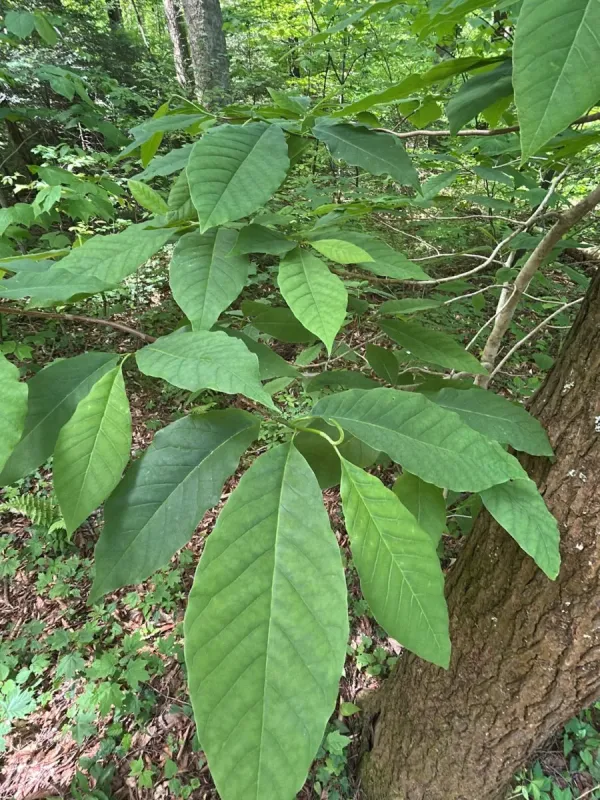
Description
Growing requirements
The Cucumber tree (Magnolia acuminata) is a prominent member of the Magnoliaceae family, native to the temperate forests of North America. It is the most cold-hardy species of the genus, capable of reaching significant heights in optimal forest conditions.
This species requires deep, moist, and well-drained soil rich in organic matter. While it can adapt to various conditions, it performs best in neutral to slightly acidic loams that mimic its natural woodland habitat and provide consistent nutrient availability.
In terms of climate, the tree prefers locations with full sun to partial shade. Young plants should be shielded from intense, direct sunlight and harsh, drying winds, which can damage tender foliage and inhibit proper establishment during the first years of growth.
Standard horticultural practices include irrigation during dry spells to maintain soil moisture, as the shallow root system is prone to stress. Applying a thick layer of organic mulch helps regulate soil temperature and suppresses weeds while retaining essential moisture.
Beyond its ornamental appeal, the species is valued for its high-quality, lightweight timber, often marketed as yellow-poplar in the furniture industry. It serves as an excellent specimen tree for large landscapes due to its impressive canopy and unique foliage.
Main diseases and pests
Chlorosis is a frequent issue for Magnolia acuminata, particularly when planted in alkaline soils where essential nutrients like iron become unavailable to the tree. This condition manifests as yellow leaves with prominent green veins.
Fungal pathogens such as leaf spots and powdery mildew can occur, especially in areas with stagnant air or high relative humidity. Ensuring adequate spacing between trees and proper canopy pruning can significantly reduce the incidence of these diseases.
Pests such as scale insects and aphids may infest the branches, feeding on plant sap and reducing overall vigor. Regular monitoring and the application of horticultural oils or insecticides are effective methods to manage populations if an infestation is detected.
Voles and mice can cause significant damage by girdling the bark of young trees during the winter months. Protecting the base of the trunk with hardware cloth or plastic guards is a critical maintenance step in regions where rodent populations are active.
Maintaining tree health through proper fertilization and avoiding soil compaction around the root zone are the best ways to build resilience against biotic and abiotic stressors. Preventive care remains the cornerstone of successful management for this species.