
Chinese tulip tree
Liriodendron chinense
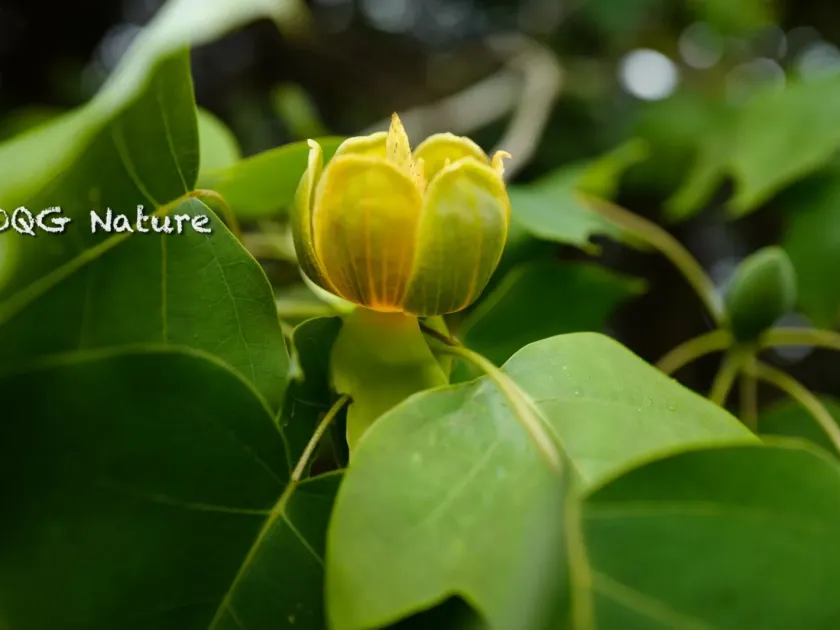
Description
Growing requirements
The Chinese tulip tree is a unique deciduous species belonging to the Magnoliaceae family. It is native to the temperate and subtropical forests of central and southern China and parts of Vietnam, where it thrives in humid and mild environments.
Successful cultivation requires deep, fertile, and well-drained soils rich in organic matter. This species is sensitive to waterlogged conditions, making proper soil preparation and drainage systems essential for the longevity of the tree.
The tree prefers a sunny location with partial shade during its juvenile stage. Protection from high-velocity winds is crucial to prevent the breakage of its relatively brittle branches and to maintain the symmetry of its foliage.
Maintenance involves routine irrigation during dry spells and balanced fertilization. Since the species is less cold-hardy than its American counterpart, selecting an appropriate microclimate or providing winter cover in colder regions is highly recommended for young trees.
Its economic importance is primarily ornamental, as it is prized in landscaping for its distinctively lobed, saddle-shaped leaves and large, tulip-like flowers. Due to its conservation status in the wild, its propagation is largely managed within botanical collections and nurseries.
Main diseases and pests
Root rot is the most significant pathological threat, often caused by heavy clay soils and insufficient drainage. Maintaining optimal soil aeration is the primary defense strategy against this fungal affliction.
Common pests such as aphids and scale insects can infest the foliage, particularly during warmer months. Integrated pest management, including the use of horticultural oils or systematic insecticides, is typically effective in controlling these outbreaks.
Iron chlorosis is a common physiological disorder occurring in soils with a high pH, which prevents the tree from absorbing essential nutrients. Remediation involves acidifying the soil and applying chelated iron supplements.
Frost damage to the bark and young shoots can occur during unseasonal winter temperature drops. Wrapping the trunk and applying thick organic mulch around the root base are effective methods for mitigating winter stress.
Wood-boring beetles may target stressed or weakened trees. Ensuring consistent hydration and proper nutrient supply is key to sustaining the tree's natural resistance and preventing pest colonization in the woody tissue.