
Phoebe grandis
Phoebe grandis
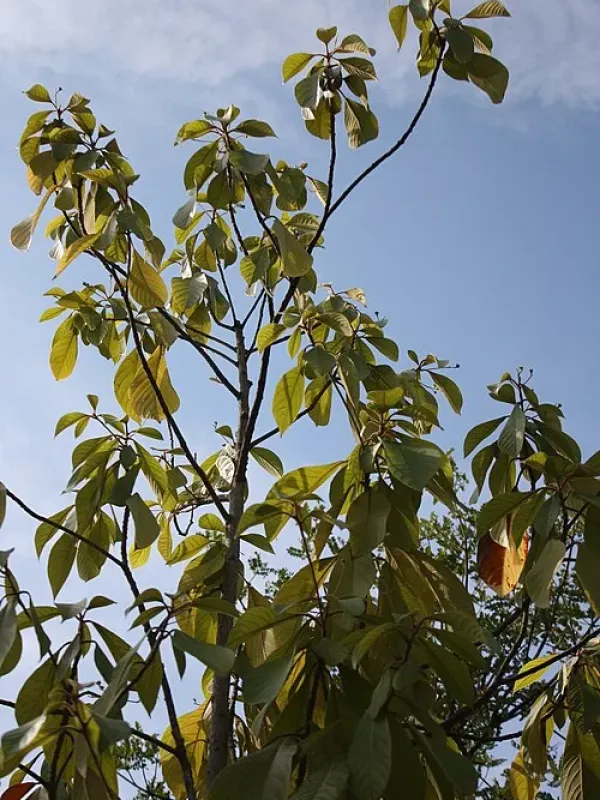
Description
Growing requirements
Phoebe grandis is a significant evergreen tree species belonging to the Lauraceae family. Native to the tropical rainforests of Southeast Asia, including the Malay Peninsula and the islands of Borneo and Sumatra, it stands out for its structural role in local ecosystems.
The species thrives in humid tropical climates where consistent rainfall is provided throughout the year. It exhibits an ecological preference for primary and secondary forests, where it occupies canopy or sub-canopy layers depending on the local environmental conditions.
Regarding soil requirements, Phoebe grandis demands deep, nutrient-rich substrates that offer excellent drainage. The tree is intolerant of waterlogged conditions, which can lead to root system decay; thus, sites on slopes or well-drained alluvial soils are ideal for development.
Botanically, the tree is characterized by its evergreen foliage and substantial size at maturity. It displays slow to moderate growth rates, focusing on building structural integrity, which ultimately contributes to the high density and quality of its woody tissues.
The primary economic application of Phoebe grandis is in the forestry industry. The timber is highly sought after for its durability, fine grain, and workability, making it a preferred material for high-end carpentry, cabinetry, and internal architectural fixtures.