
Phoebe formosana
Phoebe formosana
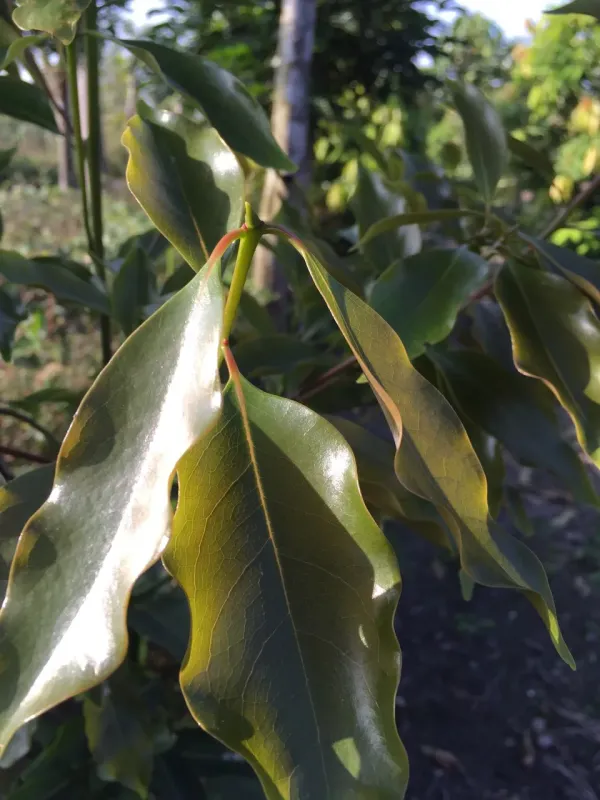
Description
Sowing dates
Propagation of Phoebe formosana is primarily achieved through seeds, which often require cold stratification to break dormancy and ensure uniform germination.
Sowing in nurseries is ideally conducted during the early spring months when soil temperatures consistently favor seedling emergence.
Pre-soaking seeds in lukewarm water for approximately 24 hours is a recommended practice to soften the seed coat and accelerate initial growth.
The use of deep containers is highly advised for nursery cultivation to accommodate the development of the primary taproot without damage.
Outplanting should be timed with the onset of the rainy season to provide the necessary moisture for successful establishment in the field.
Growing requirements
Phoebe formosana is a member of the Lauraceae family, characterized by its evergreen foliage and preference for humid subtropical environments.
The tree thrives in fertile, deep, and well-drained soils, as it is highly sensitive to waterlogging, which can lead to root system decay.
Consistent atmospheric humidity is essential for the healthy development of its glossy leaves, especially in juvenile stages of growth.
While the tree is photophilous, providing partial shade for young saplings helps to prevent sunscald and promotes straight stem formation.
Protection from strong, desiccating winds is critical in exposed locations to ensure the structural integrity and health of the growing timber.
Yield
The economic value of Phoebe formosana is derived from its high-quality timber, which is sought after for high-end furniture manufacturing.
The growth rate of this species is considered moderate, necessitating careful long-term management and planned silvicultural thinning cycles.
Optimizing planting density is a key strategy for maximizing the yield of straight, high-grade logs free from significant knots or defects.
Silvicultural interventions, such as pruning lower branches, significantly improve the quality of the wood produced over the life of the stand.
Strategic nutrient management during the early establishment phase can substantially increase biomass production and accelerate rotation times.
Main diseases and pests
Fungal diseases targeting the root system represent the most significant threat, particularly in poorly aerated or compacted soil conditions.
Young saplings may be susceptible to defoliating insects; regular field monitoring is required during the rapid growth periods to mitigate damage.
Powdery mildew can occur in dense, stagnant-air environments, making proper spacing and ventilation crucial for nursery and forest health.
Wood-boring pests may infest stressed trees, emphasizing the need for maintaining high tree vigor through proper site selection and management.
Sanitation measures, including the removal of infected plant debris, are vital to preventing the spread of pathogens within commercial plantations.