
Phoebe cavaleriei
Phoebe cavaleriei
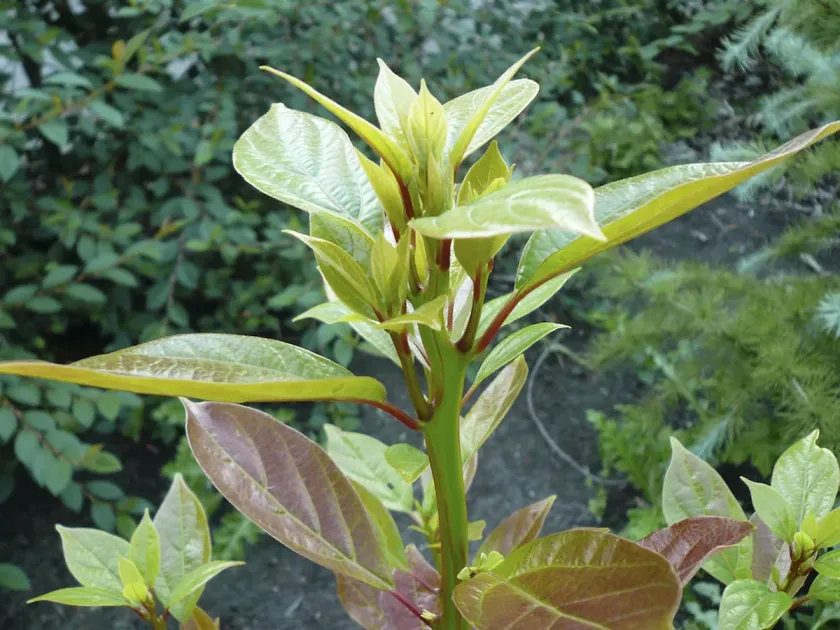
Description
Growing requirements
Phoebe cavaleriei is a distinguished evergreen tree species belonging to the Lauraceae family. Native to the subtropical regions of Southern China, it is highly valued for its dense, durable wood and aesthetic appeal in managed forests. The species is part of a genus known for producing high-quality timber used in fine furniture making.
The cultivation of Phoebe cavaleriei requires well-drained, fertile soil, ideally with a slightly acidic to neutral pH. It thrives in locations with consistent moisture but performs poorly in waterlogged environments, which can lead to root degradation. Sufficient organic matter in the soil significantly promotes early growth rates and overall tree vigor.
Regarding climatic conditions, the tree prefers a warm, humid subtropical environment. It is sensitive to severe frost and requires protection during extreme cold snaps, especially when the plants are in their juvenile stage. It exhibits good shade tolerance, allowing for successful interplanting within established forest structures.
Botanically, this species is recognized for its leathery, lanceolate leaves and relatively slow but steady growth rate. The tree maintains a consistent structure, often developing a straight trunk which is essential for timber production. Proper spacing during plantation establishment is critical to ensuring straight stem development and adequate air circulation.
The primary economic value of Phoebe cavaleriei lies in its wood, which is prized for its fine grain, resistance to rot, and ease of carving. It is extensively used for high-end cabinetry, traditional furniture, and architectural detailing. Beyond timber, the species contributes to biodiversity in forestry programs and parkland aesthetics.
Main diseases and pests
Major threats to Phoebe cavaleriei include soil-borne fungal pathogens such as Phytophthora species, which thrive in poorly drained soils. Managing water tables and maintaining optimal soil structure are the primary defenses against these diseases. Monitoring for signs of wilting is essential for early intervention in managed groves.
Insect pests, including various wood-boring beetles and defoliators, can impact the health of mature trees. Regular forest health surveys are recommended to detect infestations before they reach epidemic levels. Employing integrated pest management (IPM) strategies, including the encouragement of natural predators, helps maintain the health of the timber crop.