
Persea brevipetiolata
Persea brevipetiolata
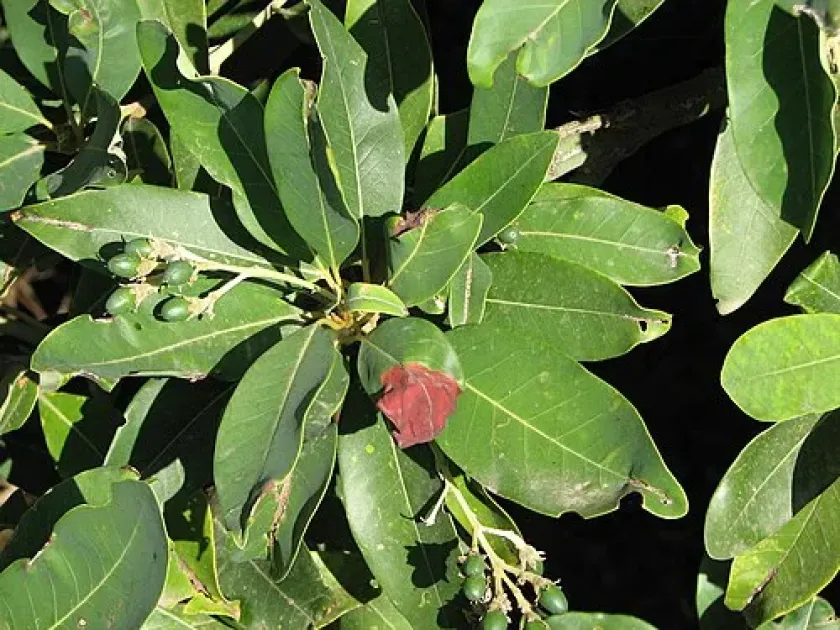
Description
Growing requirements
Persea brevipetiolata is a woody plant belonging to the Lauraceae family, closely related to the commercial avocado. This species is scientifically recognized for its distinct botanical traits, most notably the characteristic short petioles of its leaves.
Native to the high-altitude forests of Mexico, the species thrives in humid tropical and subtropical environments. It requires a specific microclimate characterized by high relative humidity and protected exposure to maintain its physiological balance.
The ideal soil for cultivation is well-drained, fertile, and rich in organic matter. As with most species in the Persea genus, the root system is highly susceptible to hypoxia if the soil becomes waterlogged, necessitating careful site selection.
Optimal growth occurs at temperatures ranging between 18°C and 28°C. While mature trees are somewhat resilient, young specimens require protection from strong winds and intense direct sunlight until they become established.
Agronomic practices include regular irrigation management and the application of organic fertilizers to enhance soil structure. Proper spacing between trees is crucial to ensure adequate airflow and sunlight penetration across the orchard canopy.
Main diseases and pests
The primary threats to this culture are soil-borne pathogens, particularly those causing root rot (Phytophthora spp.), which can devastate an orchard if drainage is neglected. Preventive measures include using certified disease-free rootstocks and rigorous soil monitoring.
Insect pests, including scale insects and mites, frequently target the foliage, causing chlorosis and reduced photosynthetic efficiency. Integrated pest management (IPM) strategies, including the use of horticultural oils, are effective for control.
Thrips are another common concern, especially during the flowering and fruit-setting stages, where they can damage reproductive structures. Timely scouting and the use of targeted biological controls are essential to mitigate potential yield losses.
Leaf spot diseases, caused by various fungal organisms, can spread quickly in stagnant, humid conditions. Improving canopy ventilation through strategic pruning is a key agronomical method to minimize fungal development.
Finally, parasitic nematodes pose a risk to the health of the root system, potentially stunting tree development. Soil solarization or the use of nematode-resistant cover crops are recommended practices prior to establishing a new cultivation area.