
Ocotea thouvenotii
Ocotea thouvenotii
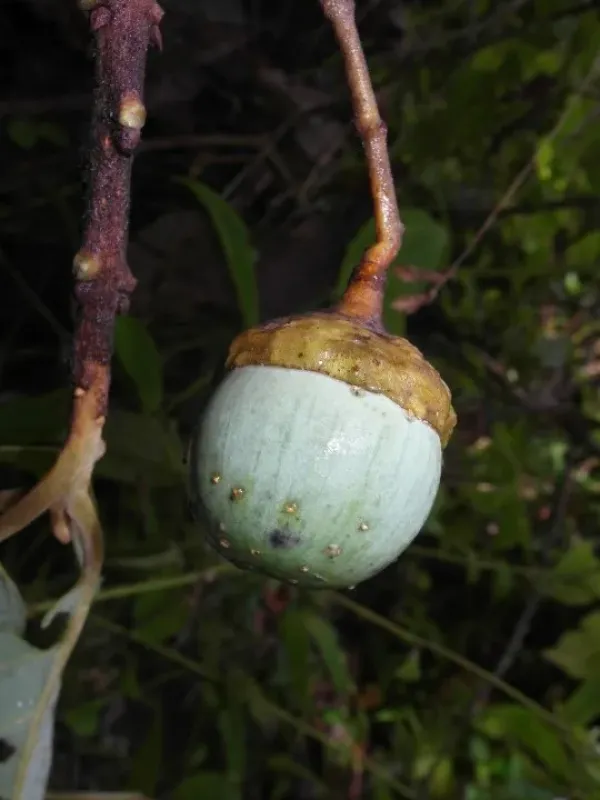
Description
Growing requirements
Ocotea thouvenotii is a tree species belonging to the Lauraceae family, native to the island of Madagascar. It is recognized as an integral part of the tropical rainforest ecosystem, characterized by its slow growth and dense wood properties.
Botanically, the plant is an evergreen tree featuring leathery leaves and a robust structure adapted to high-humidity environments. Its wood is highly regarded for its durability, which makes it a subject of interest for sustainable harvesting practices.
The cultivation of this species requires a tropical climate with consistent temperatures and high precipitation levels throughout the year. It performs best in well-drained, nutrient-rich soils that support the development of a complex root system.
In its natural habitat, the tree grows as part of the forest canopy, providing essential cover and resources for local fauna. Understanding its specific niche is critical for any attempts at reforestation or forest management.
Economically, the timber derived from Ocotea thouvenotii is used in high-quality carpentry and furniture manufacturing. Its aesthetic appeal and resistance to decay contribute to its value as a specialty forestry resource.
Main diseases and pests
The primary threat to Ocotea thouvenotii is habitat loss caused by deforestation and land conversion for agriculture. This process fragments natural populations and diminishes the long-term viability of the species in the wild.
Biotic threats include various wood-boring insects and fungal pathogens that thrive in warm, humid conditions. These agents can significantly damage the health of mature trees, especially those already stressed by environmental shifts.
Climate change poses a long-term risk, as altered precipitation patterns affect the moisture availability needed for tree health. Reduced immunity makes the population more susceptible to local pests and diseases.
Effective management is hampered by the remote location of many stands, making regular monitoring and pest control challenging. The lack of detailed data on population dynamics further complicates conservation efforts.
To ensure the future of Ocotea thouvenotii, forest management plans must focus on protecting existing stands and encouraging sustainable harvesting techniques that do not jeopardize the remaining genetic resources.