
Ocotea pulchella
Ocotea pulchella
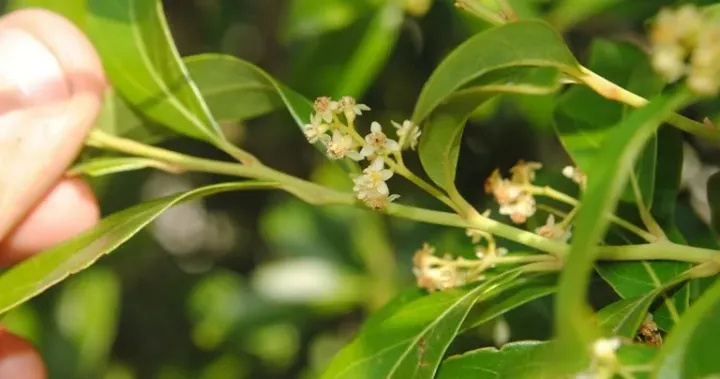
Description
Growing requirements
Ocotea pulchella is an evergreen tree species belonging to the Lauraceae family. Native to the subtropical forests of South America, this plant is well-regarded for its adaptability and the high quality of its wood in forestry applications.
The culture thrives in deep, well-draining soils rich in organic matter. Agricultural success relies on maintaining consistent moisture levels while ensuring that root zones are not waterlogged, which can trigger fungal growth in the root system.
Regarding climatic requirements, Ocotea pulchella prefers temperate to subtropical conditions. It requires protection from severe frosts and strong winds, particularly during the juvenile growth stages when the plant is most vulnerable to environmental stress.
Botanically, the plant is characterized by a dense, evergreen crown and a robust root structure. It exhibits a steady growth rate, which allows it to integrate well into mixed forestry systems and agroforestry projects within its natural range.
Its primary economic use is in the timber industry, where the wood is prized for its durability and structural strength. Beyond commercial use, it serves an important role in forest restoration and the preservation of biodiversity in its native ecosystem.
Main diseases and pests
The main threats to Ocotea pulchella involve fungal pathogens, particularly those causing root rots in conditions of poor soil drainage. Such diseases can spread rapidly in high-humidity environments, requiring careful monitoring.
Pests such as leaf-eating insects and wood-boring beetles present significant challenges to forest health. These organisms can diminish growth vigor and affect the quality of timber produced by the trees.
Agricultural management should prioritize proper spacing to ensure adequate air circulation throughout the canopy. This practice effectively reduces the microclimate conditions that favor the development of fungal spores and pest infestation.
Balanced fertilization is crucial for building the tree's natural defense systems. Over-fertilization with nitrogen should be avoided to prevent making the foliage overly attractive to sap-sucking insects and other common pests.
Regular phytosanitary assessments help identify early signs of infestation or disease. By implementing proactive measures and monitoring local conditions, growers can maintain the long-term health and productivity of the stands.