
Canary laurel
Laurus novocanariensis
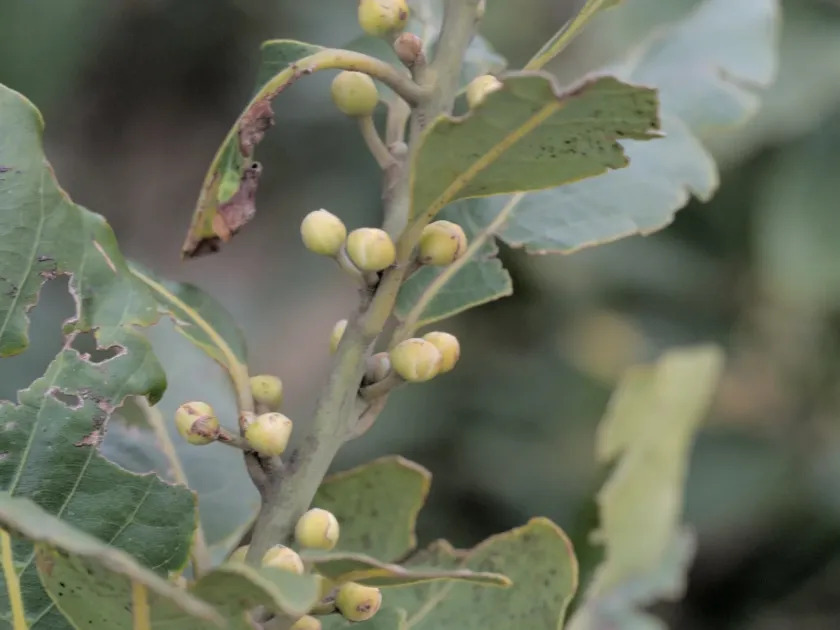
Description
Growing requirements
The Canary laurel (Laurus novocanariensis) is a prominent evergreen species within the Lauraceae family. Native to the Macaronesian islands, it is a hallmark of the unique subtropical laurel forests found in the region.
This species thrives in areas with mild oceanic climates where temperatures remain relatively stable throughout the year. It possesses glossy, aromatic foliage that serves as a vital component of its local ecosystem.
For successful cultivation, the plant requires deep, fertile, and well-draining soil. It is highly sensitive to waterlogged conditions, making proper soil structure a fundamental prerequisite for long-term health.
High relative humidity and frequent mist or cloud cover are essential for the growth of this tree. It is not suitable for dry, arid environments, as it requires steady atmospheric moisture to prevent leaf desiccation.
The Canary laurel prefers semi-shaded environments, particularly in its juvenile stage. As it matures, it can withstand more direct light, provided that the soil moisture levels are consistently maintained.
Main diseases and pests
The Canary laurel is susceptible to several pests, with scale insects being the most frequent concern. These insects attach themselves to the undersides of leaves, requiring manual removal or systemic treatment.
Fungal diseases primarily arise from poor air circulation or excessive moisture around the roots. Improving the surrounding environment and ensuring adequate drainage can mitigate the risk of root rot pathogens.
Spider mites can become a problem in indoor or greenhouse settings where the humidity levels drop significantly. Regular misting and monitoring are recommended to manage mite populations before they reach damaging levels.
Mealybugs are another group of sap-sucking pests that target the plant's delicate shoots. Integrated pest management, including natural predators or specific horticultural soaps, is effective for control.
General stress due to improper pH levels or lack of nutrients can leave the tree more vulnerable to secondary infections. Maintaining a balanced fertilization schedule is key to preserving the tree's natural resilience.