
Cryptocarya erythroxylon
Cryptocarya erythroxylon
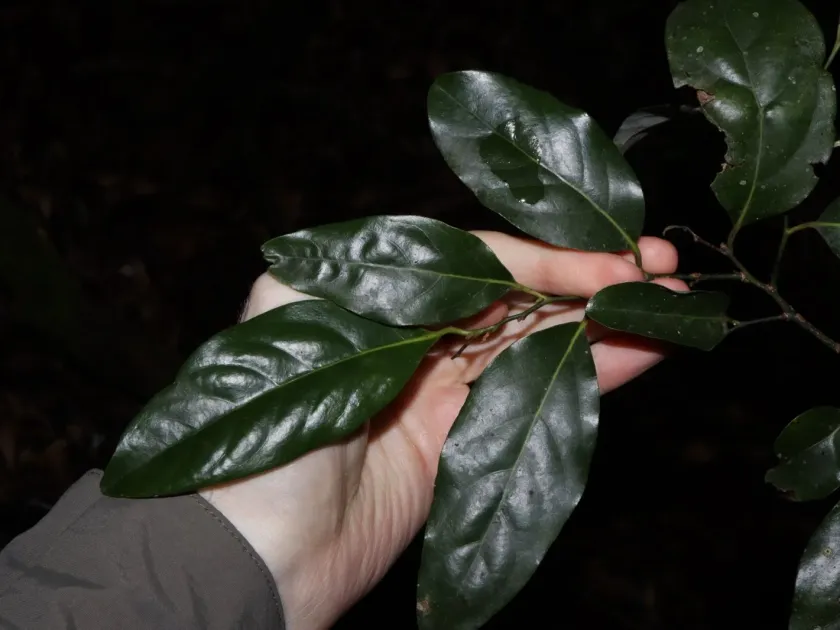
Description
Growing requirements
Cryptocarya erythroxylon belongs to the Lauraceae family. It is a large, evergreen tree native to the subtropical rainforests of eastern Australia, particularly prevalent in areas with high annual rainfall.
This species requires deep, fertile, and well-drained soils to thrive. It performs best in nutrient-rich alluvial or basalt-derived soils that support the lush growth of diverse rainforest ecosystems.
Climate requirements include a stable, humid environment with protection from harsh winds and excessive frost. The species is known for its slow growth rate, necessitating specific ecological conditions to ensure juvenile development.
Management techniques for this culture are largely centered on conservation and sustainable forestry. Cultivation efforts must mimic the natural forest understory to provide the necessary shade and protection for seedlings.
The economic value of this tree is primarily derived from its high-quality timber, commonly referred to as pigeonberry ash. The wood is prized for its attractive grain, density, and durability in furniture manufacturing and architectural joinery.
Main diseases and pests
The primary threats to this species include soil-borne fungal pathogens that can cause severe root rot, especially in poorly drained or waterlogged environments.
Wood-boring insects and pests pose a significant threat, as they tunnel into the trunk, degrading the quality of the valuable timber and affecting tree vigor.
Climate change poses a risk to the fragile balance of subtropical rainforest habitats, leading to potential stressors that weaken natural defenses against diseases.
Competition from invasive plant species can hinder the establishment of new growth, further stressing wild populations of this already slow-growing tree.
Effective management requires strict phytosanitary oversight and consistent monitoring of forest health to mitigate the spread of harmful organisms and ensure survival.