
Indian bay leaf
Cinnamomum tamala
Description
Growing requirements
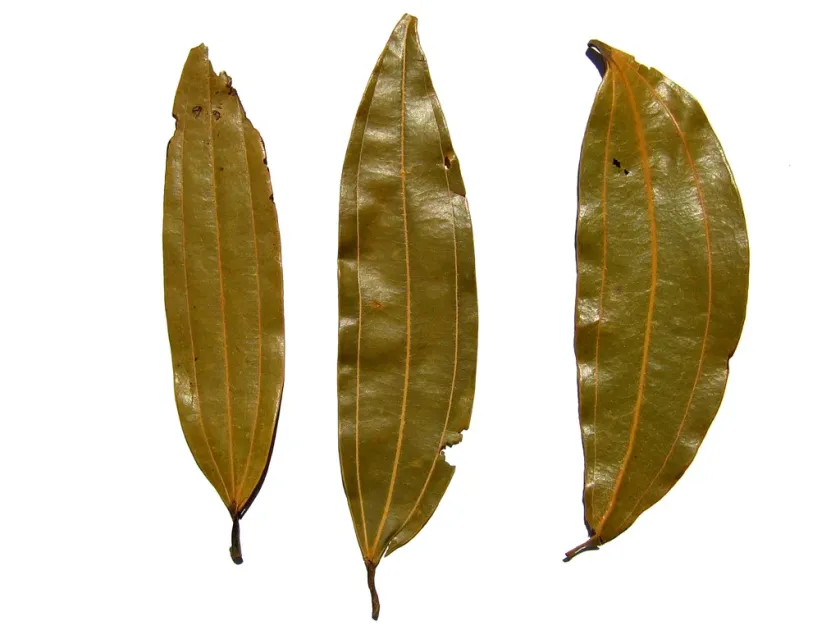
Cinnamomum tamala, commonly known as Indian bay leaf, is a dense evergreen tree belonging to the Lauraceae family. It can grow up to 15 meters in height and is highly valued for its aromatic, leathery leaves that possess a unique spicy fragrance reminiscent of cinnamon and cloves.
The plant is native to the Himalayan regions, including India, Nepal, and Bhutan, where it thrives in subtropical mountain climates. It requires consistent humidity and prefers locations that provide protection from harsh winds, which can damage the delicate young growth.
Cultivation success depends on deep, fertile, and well-drained loamy soils. The species is highly sensitive to waterlogging, necessitating the installation of proper drainage infrastructure in regions with heavy annual rainfall to prevent root rot and physiological stress.
Ideal conditions for this crop involve altitudes ranging from 1000 to 2500 meters above sea level. It performs best in environments where temperatures remain relatively stable, though the tree shows some tolerance for mild cool spells once it has established a robust root system.
Agricultural management includes systematic weeding and the application of organic mulch to maintain optimal moisture levels around the base. Proper spacing between trees is crucial to ensure adequate airflow and sunlight penetration into the lower parts of the canopy.
Yield
The main commercial output of the crop is the leaves, which are harvested for both culinary and medicinal use. The plant's essential oils are extracted for the pharmaceutical and fragrance industries, making it a highly profitable niche crop in its native regions.
Main diseases and pests
The crop is susceptible to various fungal pathogens that flourish in high-moisture environments. Additionally, leaf-eating insects can cause significant damage to the harvestable biomass, requiring sustainable pest management strategies to protect the quality and yield of the spice.
Harvesting
Harvesting involves the selective pruning of twigs and leaves, which can be done manually to maintain tree health and ensure long-term productivity. The leaves must be shade-dried to ensure the volatile essential oils are preserved, ensuring the final product meets high market standards.