
Cinnamomum eugenoliferum
Cinnamomum eugenoliferum
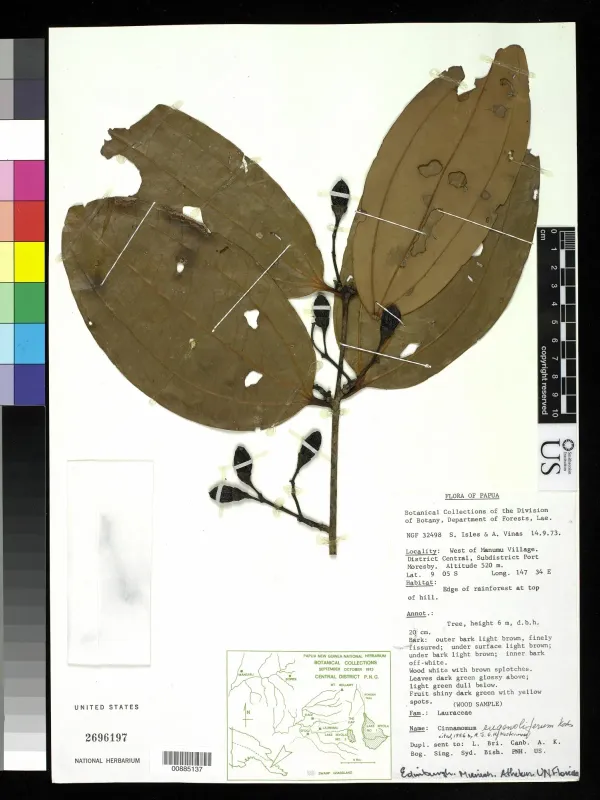
Description
Growing requirements
Cinnamomum eugenoliferum is an evergreen tree species belonging to the Lauraceae family. Native to the tropical regions of Southeast Asia, this tree is valued primarily for the essential oils extracted from its leaves and bark.
The plant thrives in humid tropical environments, requiring consistent temperatures and protection from cold spells. It is highly sensitive to frost, which makes it suitable only for specific tropical and subtropical zones with stable climate conditions.
For optimal growth, the species requires fertile, well-drained loamy soils. Good aeration is critical, as stagnant water can lead to root system degradation, reducing the tree's health and potential oil yield.
Light management is essential during the early stages of development. While mature trees are robust, young seedlings benefit from partial shade to prevent thermal stress and leaf burn during peak sunlight hours.
Agricultural practices involve regular maintenance of soil fertility through organic amendments. Mulching helps retain moisture in the root zone, while balanced fertilization supports the vigorous growth necessary for high biomass production.
Main diseases and pests
Fungal infections of the roots are a common threat, often linked to improper drainage or irrigation scheduling. Maintaining soil health and proper air circulation are primary preventative measures against these diseases.
Pest pressures include various leaf-eating insects that can compromise the plant's photosynthetic surface. Implementing integrated pest management strategies helps control these populations while maintaining the organic purity of the essential oils.
Harvesting
The main economic value of Cinnamomum eugenoliferum lies in its high eugenol content. The oil is a key ingredient in pharmaceutical applications, perfumes, and food flavoring due to its distinct aromatic properties.
Harvesting involves the selective pruning of branches and foliage, which promotes bushier growth and sustains the tree's yield capacity over time. This sustainable practice ensures long-term productivity for plantation owners.