
Cinnamomum elongatum
Cinnamomum elongatum
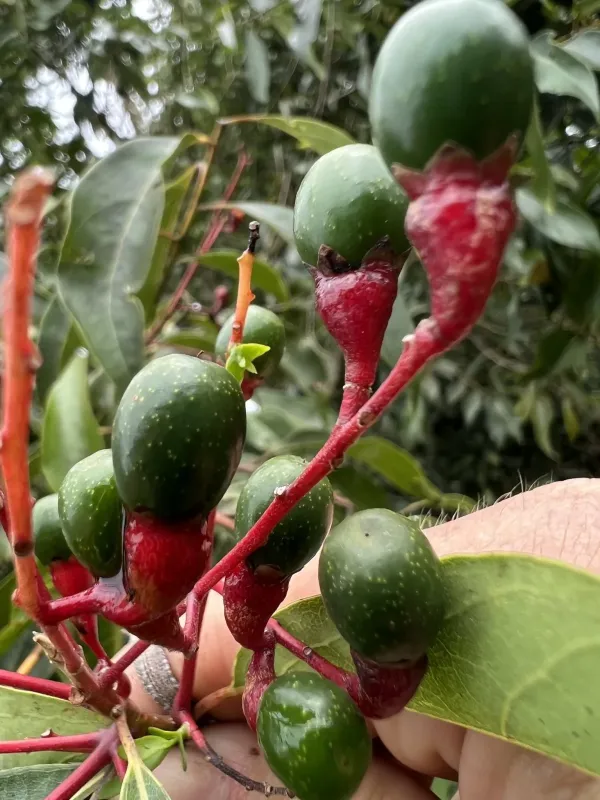
Description
Growing requirements
Cinnamomum elongatum is a woody plant belonging to the Lauraceae family. In its natural habitat, this species is primarily found in the tropical forest regions of Southeast Asia, including the Malay Archipelago and Indonesia.
The crop thrives in humid tropical conditions with abundant rainfall throughout the calendar year. Ideal environments consist of well-drained, fertile soils rich in organic matter, typical of forest biomes.
The plant exhibits high sensitivity to drastic temperature fluctuations and frost events. For optimal vegetative growth, it requires consistently high temperatures and protection from strong, drying winds.
Botanically, the species is characterized by dense, leathery leaves with an elongated shape, which is reflected in its specific epithet. Like other members of the Cinnamomum genus, the tree contains essential oils concentrated in the bark and wood.
Commercially, this species is valued as a source of aromatic raw materials and timber with unique properties. The use of its bark in traditional medicine and the fragrance industry underscores its importance in local agroforestry systems.
Main diseases and pests
Major phytopathological threats to the plant include fungal diseases of the root system, often caused by waterlogged soil. Pathogens of the Phytophthora genus can damage the tree's vascular system, leading to wilting and mortality of seedlings.
Pests native to tropical forests, such as wood-boring beetles and various leaf-feeding insects, can cause significant damage to young plantations. Damage to the bark integrity creates entry points for secondary infections, which reduce the quality of the harvested raw material.