
Cinnamomum cecidodaphne
Cinnamomum cecidodaphne
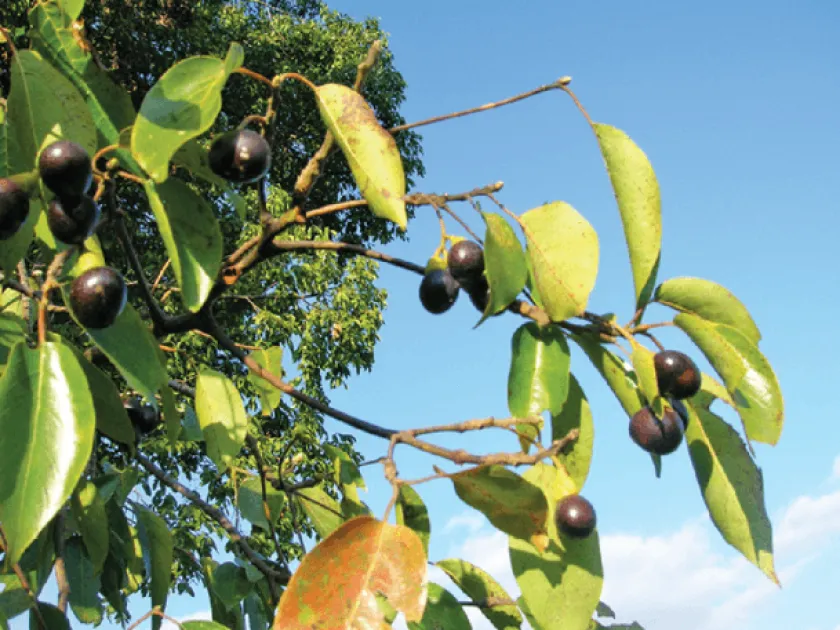
Description
Sowing dates
Propagation of Cinnamomum cecidodaphne is primarily achieved through seeds, which should be sown immediately after collection to maintain high viability levels.
Nursery beds must be prepared with a well-draining, nutrient-rich medium to facilitate rapid germination and support the development of a healthy root system.
Transplanting seedlings to their final location is most successful at the onset of the rainy season, as this ensures constant soil moisture during the establishment phase.
Spacing requirements vary depending on the intended use; forestry plantations require more density, while individual specimen trees need more room to develop a full crown.
Proper care during the first few months, including weeding and supplemental watering, is essential to ensure the survival and vigor of the young saplings.
Growing requirements
This species belongs to the Lauraceae family and is native to the subtropical mountainous regions of the Himalayas, necessitating specific climate conditions for growth.
The tree thrives in fertile, deep, and well-draining soils that are rich in organic matter, reflecting its natural habitat in moist forest environments.
It prefers a stable, warm, and humid climate, being particularly sensitive to harsh frost or prolonged drought periods that can stunt its long-term development.
Light intensity requirements evolve throughout the life cycle; young plants require shade to protect them from direct sun, while mature trees adapt to full sunlight.
Regular rainfall or high atmospheric humidity is crucial for maintaining the physiological functions of the tree and ensuring its healthy aromatic compound production.
Yield
The primary economic value of Cinnamomum cecidodaphne lies in its highly prized timber, known for its density, aromatic properties, and resistance to environmental degradation.
Beyond timber, the species is a source of valuable essential oils extracted from its leaves, fruit, and wood, widely utilized in the cosmetic and perfumery sectors.
Yield management in plantations involves monitoring growth rates and carefully timed harvesting to maximize the economic output from the harvested wood and biomass.
The extraction of essential oils is a specialized process that requires harvesting plant material at peak maturity to ensure the highest concentration of phytochemicals.
Sustainable harvesting techniques are recommended to ensure the long-term regeneration of the forest stands while maintaining a consistent supply of forest products.
Main diseases and pests
Fungal infections in the root zone are a significant threat, often resulting from poor soil drainage and waterlogging, leading to tree decay and loss of vigor.
Insect pests that target foliage can cause substantial leaf area loss, weakening the tree and making it more susceptible to environmental stressors and secondary diseases.
Effective management includes regular sanitation of the orchard, which involves removing diseased limbs and ensuring sufficient airflow between trees to reduce humidity buildup.
Monitoring for signs of infestation is critical, as early detection allows for targeted control measures that minimize the need for broad-spectrum chemical interventions.
Habitat loss and improper silvicultural practices remain the greatest threats to natural populations, highlighting the need for biodiversity-focused management strategies.