
Indonesian cinnamon
Cinnamomum burmannii
Description
Growing requirements
Indonesian cinnamon (Cinnamomum burmannii) is a significant tropical tree species belonging to the Lauraceae family. It is widely cultivated for its aromatic bark, which serves as a major source of spice in global markets.
Native to the regions of Indonesia, this crop thrives in high-temperature environments with substantial annual rainfall. It requires consistent humidity levels to maintain healthy metabolic functions and promote the production of essential oils.
The ideal soil for Cinnamomum burmannii is fertile, deep, and well-drained. Soils with good organic content promote vigorous growth, whereas waterlogged conditions pose a severe risk to the root system, often leading to rapid plant decline.
Cultivation management involves shading young saplings to protect them from excessive heat and direct sunlight. As the trees mature, they become more resilient and can handle fuller exposure, which is beneficial for the development of bark quality.
Regular mulching and weeding are essential agronomic practices to ensure minimal competition for nutrients. Properly maintained groves show higher resistance to environmental stressors and produce superior aromatic bark yields.
Main diseases and pests
Pathogenic fungi are the primary threats to Indonesian cinnamon plantations. These organisms often thrive in humid conditions, causing root rot and stem decay that can compromise the health of entire sections of the orchard.
Pests, such as various species of wood-boring insects and leaf-chewing larvae, require constant vigilance. Early detection through regular orchard inspections is vital to preventing large-scale infestation and structural damage to the trees.
Cultural control measures, including maintaining proper tree spacing, help ensure adequate airflow. Reducing moisture accumulation around the trunks is one of the most effective ways to inhibit the growth of harmful bacteria and fungi.
Sanitary pruning serves as a critical practice in disease management. By removing infected or dead branches, farmers can effectively contain outbreaks and maintain the overall vigor of the plant community.
Sustainable protection strategies favor biological controls and integrated pest management (IPM) to avoid chemical residues. This approach is essential for meeting international quality standards for spice production.
Harvesting
Harvesting usually begins when trees are several years old, depending on the growth rate and specific management goals. The process involves carefully removing strips of bark from selected branches or the main stems.
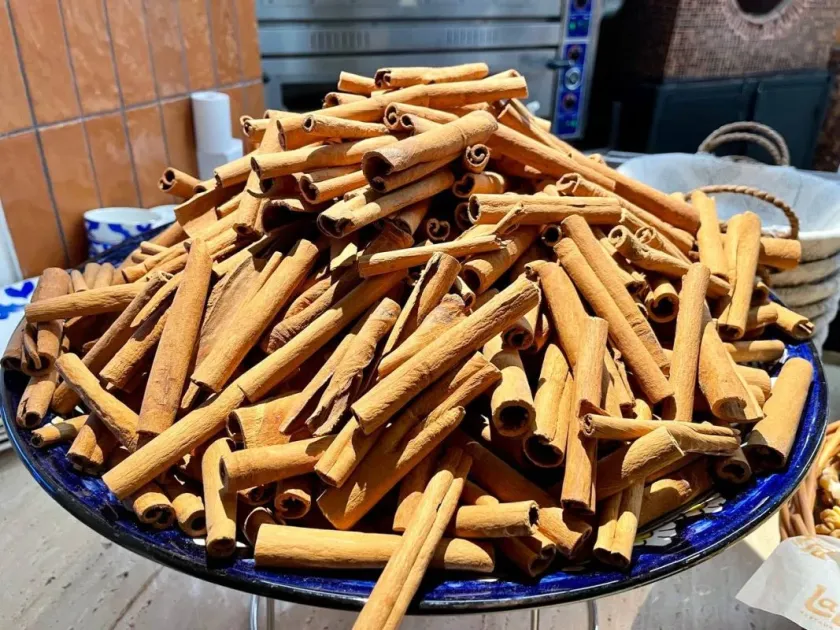
Post-harvest processing is a precise task where the outer cork layer is scraped off. The remaining inner bark is allowed to dry, which naturally causes it to curl into the traditional cinnamon quills used for culinary and industrial purposes.
Drying is performed in shaded, well-ventilated areas to prevent the loss of volatile essential oils. Proper temperature control during this phase ensures the final product retains its intense aroma and high quality.
In addition to the bark, the leaves of the Cinnamomum burmannii are frequently utilized for the distillation of oils. This dual-use approach maximizes the economic output per hectare of the plantation.
Successful production relies on a rotational harvesting system that allows trees to regenerate effectively. By managing the cutting cycle, producers ensure long-term sustainability and consistent annual yields of high-quality bark.