
Warburg Oak
Quercus warburgii
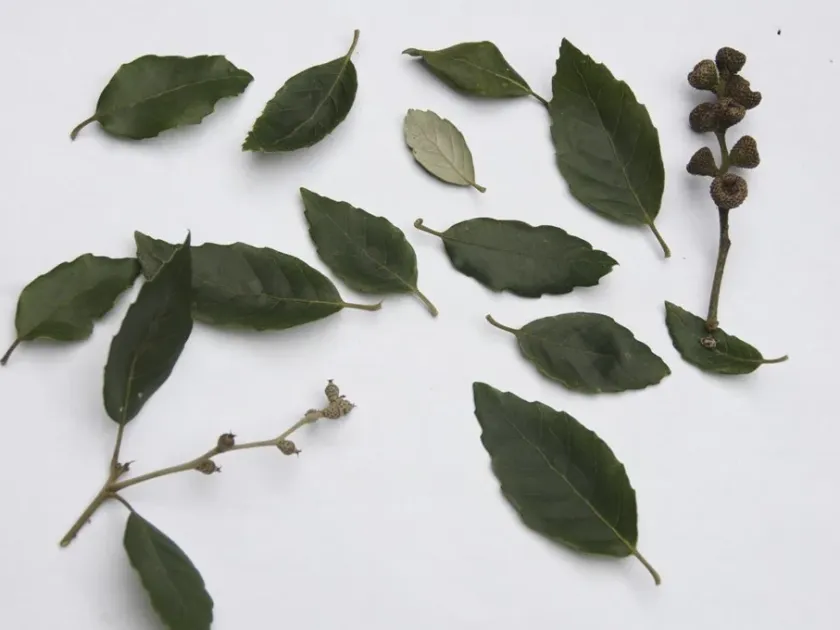
Description
Growing requirements
The Warburg Oak (Quercus warburgii) is a distinct species within the Fagaceae family, known for its specific ecological niche within humid Asian forest habitats. As a rare botanical specimen, its cultivation requires careful replication of its native environment.
The species thrives in deep, fertile soils that provide adequate drainage while maintaining consistent moisture levels. Heavy clay soils that lack proper aeration are generally unsuitable, as they can cause root rot, especially in younger saplings.
Climatic requirements involve a preference for stable temperatures and protection from intense, direct solar radiation during the early stages of growth. It is essentially a shade-tolerant or semi-shade-tolerant species that flourishes in the protected understory of its natural habitat.
Agricultural management should prioritize soil health, ensuring a neutral to slightly acidic pH level. Regular monitoring of the mulch layer is recommended to stabilize soil temperature and suppress competing vegetation during the critical establishment phase.
Economically, the wood of Quercus warburgii is valued for its density and historical durability in traditional woodworking, though its rarity strictly limits commercial harvesting. Its primary utility currently lies in conservation efforts and scientific research into the resilience of the Fagaceae family.