
Huckleberry oak
Quercus vacciniifolia
Description
Growing requirements
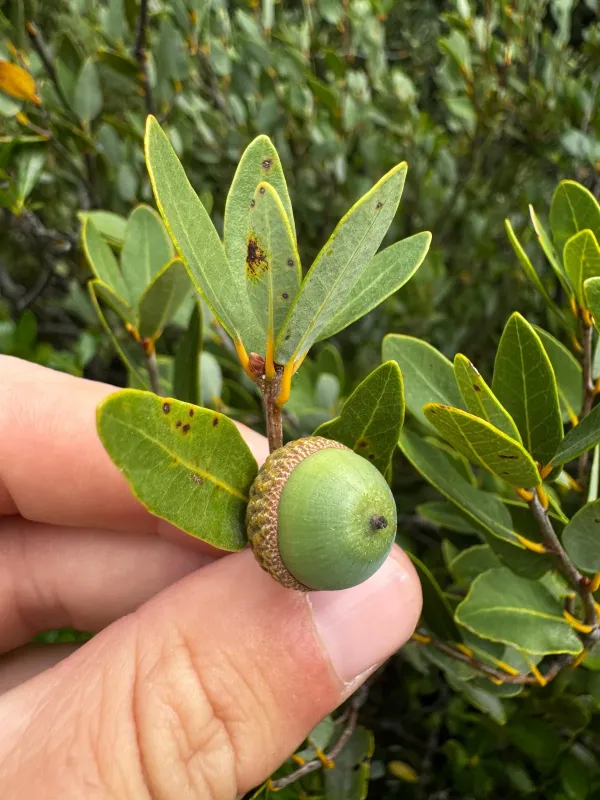
The Huckleberry oak is a member of the Fagaceae family, specifically recognized as a prostrate or low-growing shrub. It is native to the mountain ranges of California and Oregon, thriving at high elevations where environmental conditions are particularly harsh.
This species requires exceptionally well-drained soil to survive. In cultivation, it performs best in rocky, gravelly, or sandy substrates that mimic its natural mountain habitat, preventing the accumulation of water around the roots.
Regarding climate, the plant is adapted to cold winters and dry summers. It requires a significant amount of solar radiation to maintain its dense, sprawling habit, making it an excellent choice for rock gardens or exposed landscapes.
The plant is highly drought-tolerant once established. However, during the initial planting stages, consistent but careful irrigation is necessary to ensure the root system is properly anchored without causing waterlogging.
Cultural management should focus on minimal intervention. It does not require frequent pruning or fertilization, as excessive nutrient availability can lead to weak, elongated stems that detract from its natural, rugged aesthetic.
Main diseases and pests
Powdery mildew represents the most frequent fungal challenge, especially in areas with stagnant air or high nocturnal humidity. Proper spacing between individual plants is essential to encourage air circulation and reduce disease incidence.
Leaf-feeding insects, including caterpillars and specific types of beetles, can cause localized damage. Integrated pest management strategies, emphasizing beneficial insects and mechanical removal, are preferred over broad-spectrum chemical interventions.
Phytophthora root rot is a major threat linked to poor soil drainage. If the soil remains saturated for extended periods, the root system loses its ability to absorb nutrients, leading to rapid decline and potential plant death.
Mammalian herbivores, such as browsing deer, frequently consume the foliage of Huckleberry oak. Using tree guards or repellent sprays can protect the shrub during its slow-growing phase until it reaches a height that is less vulnerable.
Environmental stress, such as extreme late-spring frosts or prolonged periods of drought paired with high heat, may cause tip dieback. Pruning away damaged tips in early summer promotes healthy regrowth and improves overall plant vigor.