
Desert scrub oak
Quercus turbinella
Description
Growing requirements
Quercus turbinella, commonly known as the desert scrub oak, is a member of the Fagaceae family. It is a hardy, evergreen shrub native to the southwestern United States and northern Mexico, typically found in chaparral and pinyon-juniper woodlands.
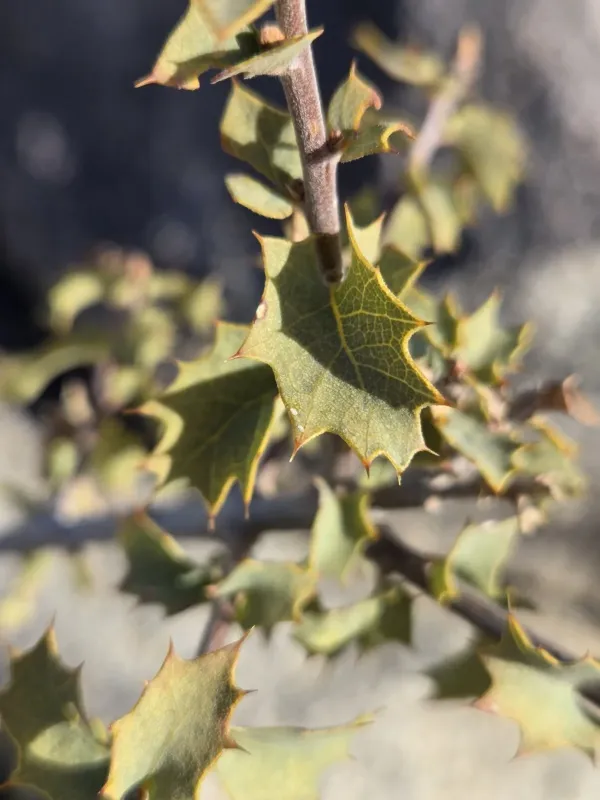
This species is highly adapted to arid environments, possessing small, holly-like, stiff leaves that help reduce water loss through transpiration. It is an essential component of local ecosystems, providing food and shelter for various wildlife species.
Regarding soil requirements, the desert scrub oak thrives in rocky, well-draining soils. It is particularly noted for its ability to grow in poor substrates where other woody species struggle to survive, making it an excellent candidate for erosion control.
Full sun exposure is a mandatory requirement for Quercus turbinella. It does not tolerate deep shade or competitive environments with larger trees, which can suppress its growth and development over time.
In terms of climate, the plant requires hot, dry summers and can withstand significant heat stress. It is an ideal plant for xeriscaping projects in Mediterranean climates where irrigation resources are strictly limited.
Main diseases and pests
The primary threat to the health of the desert scrub oak is root rot, typically caused by poorly drained soils. Gardeners must ensure that the planting site prevents water accumulation around the crown to maintain plant vitality.
Pests such as gall wasps and various leaf-chewing insects can occasionally affect foliage density. While generally minor, severe infestations should be addressed with integrated pest management strategies to avoid long-term stress.
Fungal diseases, specifically those affecting the vascular system, can be problematic in areas with high ambient humidity. Maintaining proper spacing between individuals is essential for air circulation and disease prevention.
Over-fertilization, especially with nitrogen-heavy products, can lead to succulent growth that attracts sap-sucking insects. A conservative approach to fertilization is recommended, as this species is adapted to nutrient-poor natural soils.
Wildfire represents a significant natural threat to these shrubs; however, Quercus turbinella is known for its ability to resprout from its root crown following fire damage, showing remarkable resilience in its native habitat.