
Sessile oak
Quercus sessilifolia
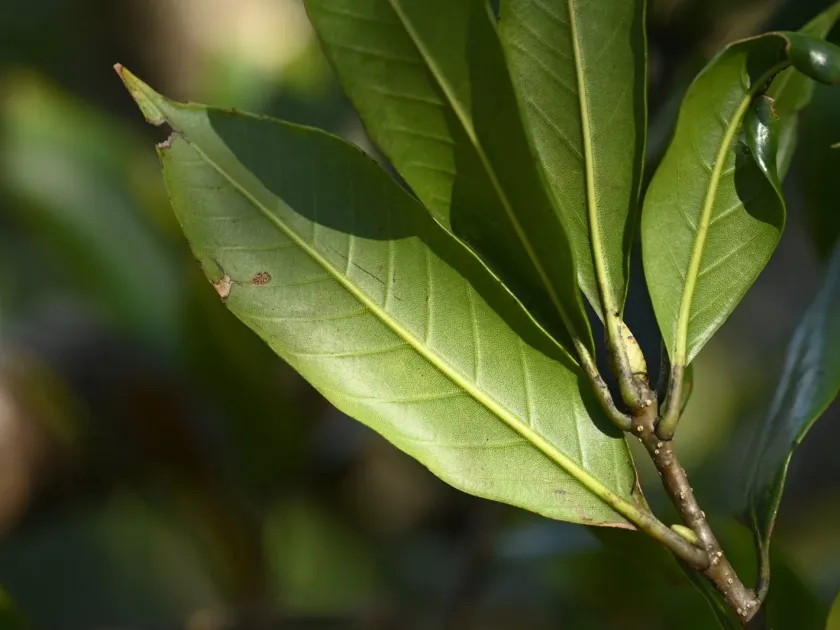
Description
Sowing dates
Sowing of sessile oak (Quercus sessilifolia) acorns is typically performed in the autumn immediately after harvest to allow for natural stratification in the soil environment.
Spring sowing is possible if acorns are stored under strictly controlled conditions, specifically in damp sand at temperatures between 0°C and 2°C to prevent embryonic death.
The optimal sowing depth ranges from 5 to 8 centimeters, a depth determined by the soil texture and its moisture-retaining capacity during the germination phase.
For establishing new stands, a planting pattern that balances resource competition among seedlings is essential to promote straight and healthy stem development.
Seeding rates must be calculated based on the specific germination percentage of the acorn batch, accounting for potential losses to wildlife during the emergence period.
Growing requirements
The sessile oak prefers deep, fertile, and well-drained soils that maintain moisture without suffering from long-term waterlogging or anaerobic conditions.
While moderately shade-tolerant in its juvenile phase, the species requires ample sunlight for the canopy as it matures to ensure sustained growth and wood quality.
It is a temperate-climate species that is well-adapted to varied conditions, though it remains sensitive to late spring frosts that can severely damage young flushing shoots.
The species thrives on slightly acidic or neutral soil types, avoiding extremely alkaline or saline soils as well as excessively dry or poor sandy substrates.
Proper site selection, considering rainfall distribution and temperature profiles, is critical for maximizing biomass production in dedicated forestry projects.
Yield
The primary economic value of sessile oak lies in its high-quality timber, highly sought after in the furniture, construction, and high-end cabinetry industries.
The production cycle for commercial timber is long-term, spanning 80 to 120 years, necessitating stable forest management policies and long-term land commitment.
Beyond wood production, oak stands provide essential ecosystem services, including carbon sequestration, soil protection, and the maintenance of local biodiversity.
Yield optimization is achieved through careful thinning regimes, which allow the best-performing trees to utilize available space and reach technical maturity faster.
Acorns, while secondary, serve as a valuable resource for forestry nursery production and are a key food source for forest wildlife in sustainable ecosystems.
Main diseases and pests
Large ungulates represent a significant threat to young oak stands, as they consume terminal buds and strip bark, causing deformation and increasing susceptibility to disease.
Powdery mildew is the most prevalent fungal disease, particularly impacting juvenile trees in nurseries and hindering photosynthesis by coating leaves in white mycelium.
Insects like the oak leaf roller and various geometrid moths can cause severe defoliation, significantly stressing the trees and reducing growth rates over several years.
Root rot, frequently associated with Armillaria species, is a serious threat in poorly drained soils and can cause mature trees to fail or die prematurely.
- Powdery mildew (Microsphaera alphitoides)
- Oak leaf roller (Tortrix viridana)
- Armillaria root rot
- Stem-boring insects
- Browsing damage by ungulates
Harvesting
The harvest of oak timber is conducted through scheduled final felling, aligned with the biological and technical maturity age of the specific forest compartment.
Acorn collection for forestry restoration is performed annually during the peak fall drop, often utilizing mechanical systems or manual collection methods on designated plots.
Post-harvest log processing includes careful sorting of timber into categories based on quality, ensuring that high-grade hardwood goes to primary manufacturing markets.
Harvesting operations are strictly regulated to minimize soil compaction and protect surrounding younger vegetation, maintaining the resilience of the forest environment.
Once felling is complete, reforestation protocols are initiated, including soil site preparation and the planting or seeding of the next generation of trees.