
Schottky Oak
Quercus schottkyana
Description
Growing requirements
The Schottky oak (Quercus schottkyana) belongs to the Fagaceae family. This species is native to the mountainous regions of Southwestern China, where it adapts to specific high-altitude conditions.
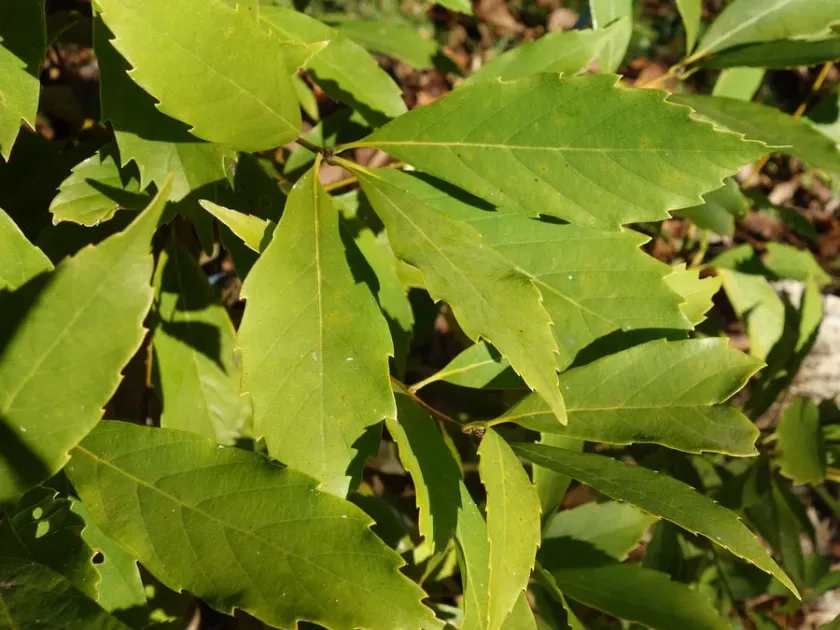
Botanically, it is recognized for its distinctive foliage and growth habit. As a woody crop, it thrives in environments that mimic its native sub-tropical to temperate mountain climate.
Regarding soil requirements, the species performs best in deep, well-draining, and nutrient-rich soils. It is sensitive to waterlogged conditions, which may impede its root development and lead to poor health.
Cultivation practices should emphasize protection from harsh, drying winds and excessive solar radiation during the first few years of establishment in a new area.
Management techniques include maintaining proper moisture levels through regular irrigation and the application of organic mulches to improve soil fertility and moisture retention capacity.
Main diseases and pests
This oak species is susceptible to powdery mildew, a fungal infection that often appears on leaves when there is insufficient airflow around the tree canopy.
Root pathogens represent a significant risk, particularly when soil drainage is poor, leading to anaerobic conditions that favor the proliferation of harmful fungi.
Defoliating insects can be a concern, as they feed on the fresh foliage, potentially stressing the tree and reducing its annual biomass production.
Environmental stress, such as extreme temperature fluctuations, can reduce the plant's resistance, making it more prone to secondary pest infestations.
Integrated pest management strategies are essential, combining physical removal of damaged tissue with periodic use of fungicides and insecticides as dictated by the situation.