
Willow-leaved oak
Quercus salicina
Description
Growing requirements
The Willow-leaved oak (Quercus salicina) is an evergreen tree belonging to the Beech family (Fagaceae). It is primarily native to the warm-temperate regions of East Asia, including parts of Japan, where it has historically played an important role in local forest ecosystems.
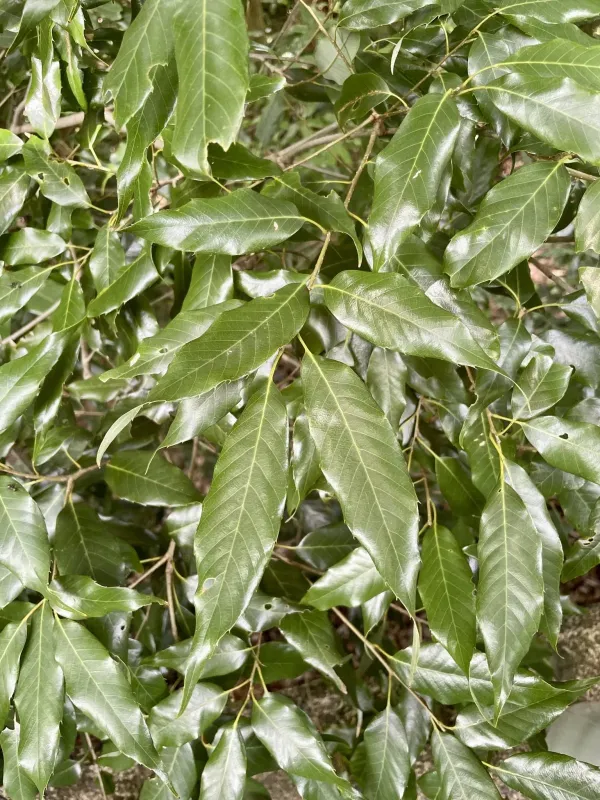
Botanically, this species is noted for its elongated, lanceolate leaves, which provide a distinct aesthetic contrast compared to the traditional lobed leaves typically associated with most members of the Quercus genus.
Cultivation of this species requires well-drained, nutrient-rich soils. It thrives best in sites where moisture levels are consistent, as the tree is sensitive to both prolonged waterlogging and severe, extended droughts during the peak growing season.
Climate requirements include protection from extreme temperature fluctuations. While it exhibits moderate hardiness, it prefers climates characterized by mild winters and humid summers, which mimic its natural mountainous or coastal native environments.
Agricultural and landscape use includes ornamental planting and sustainable timber production. The dense, durable wood has been utilized for various construction purposes, and the tree's persistent foliage makes it a stable choice for year-round green landscaping.
Main diseases and pests
Common pests include various defoliating caterpillars and weevils that target the young foliage during the spring flushing period. High infestations can lead to significant biomass loss if left unmanaged.
Fungal pathogens such as powdery mildew can affect the canopy, especially in areas with poor airflow and high humidity. Proper site selection and canopy management are key to preventing the spread of these conditions.
Root rot is a critical threat often caused by Phytophthora species, typically triggered by improper drainage or excessive soil compaction. Ensuring adequate soil structure is essential for long-term survival.
Boring insects, such as bark beetles, pose a major risk to trees that are already stressed by environmental factors. Maintaining vigorous tree health through correct fertilization and irrigation is the primary defense strategy.
Sanitation practices, including the removal of dead or decaying branches and clearing leaf litter, help reduce the overwintering population of many pests and prevent the recurrence of seasonal infections.