
Laurel oak
Quercus rysophylla
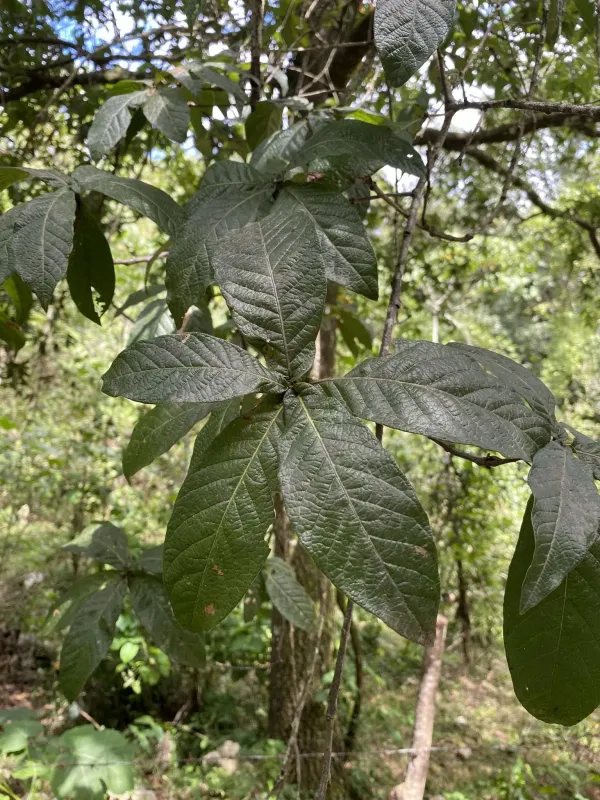
Description
Growing requirements
Quercus rysophylla, commonly known as the Laurel oak or wrinkled-leaf oak, is a member of the Fagaceae family. Native to the mountainous regions of northeastern Mexico, this evergreen tree is recognized for its unique, deeply veined, and leathery foliage that remains on the branches year-round.
The species is highly adaptable, thriving in diverse soil types ranging from rocky calcareous slopes to rich mountainous terrain. Proper drainage is the most critical requirement for its successful cultivation, as the species is highly susceptible to root suffocation in waterlogged soils.
Regarding climate, Quercus rysophylla performs best in regions with mild winters and moderate rainfall. While it can withstand periods of drought once established, young saplings require consistent moisture and partial shade during their first years to ensure deep root penetration.
Botanically, the tree reaches a height of 15 to 20 meters, featuring a dense, spreading canopy. This architectural form makes it a highly desirable species for ornamental use in public parks and private gardens, providing excellent shade and a distinctive texture in the landscape.
Maintenance practices for this crop include light pruning to encourage strong structure and structural balance. Mulching the base of the tree with organic matter helps regulate soil temperature and retains moisture, effectively simulating the forest floor conditions of its natural habitat.
Main diseases and pests
Pathogenic fungi are among the primary threats to Quercus rysophylla, especially in regions with high humidity. Fungal leaf spots can compromise the aesthetic quality of the foliage and significantly reduce the photosynthetic capacity of the tree if left untreated.
Pest populations, including various species of aphids and leaf-miners, can cause localized damage to the canopy. Integrated pest management (IPM) strategies, such as introducing beneficial predatory insects, are recommended to maintain ecological balance in the nursery or garden setting.
Root rot, often caused by Phytophthora species, remains the most significant risk associated with poor irrigation management. Maintaining adequate soil aeration is crucial for preventing these pathogens from colonizing the root system and causing irreversible decline.
Wounds in the trunk or large branches act as entry points for decay organisms. Implementing careful pruning techniques and ensuring that tools are sterilized between cuts will significantly reduce the risk of spreading infections throughout a collection of trees.
Regular visual inspections are necessary to identify early signs of stress, such as leaf wilting or discoloration. Addressing environmental stressors, such as nutrient deficiencies or soil compaction, early in the season can prevent the need for chemical interventions later.