
Netleaf oak
Quercus rugosa
Description
Growing requirements
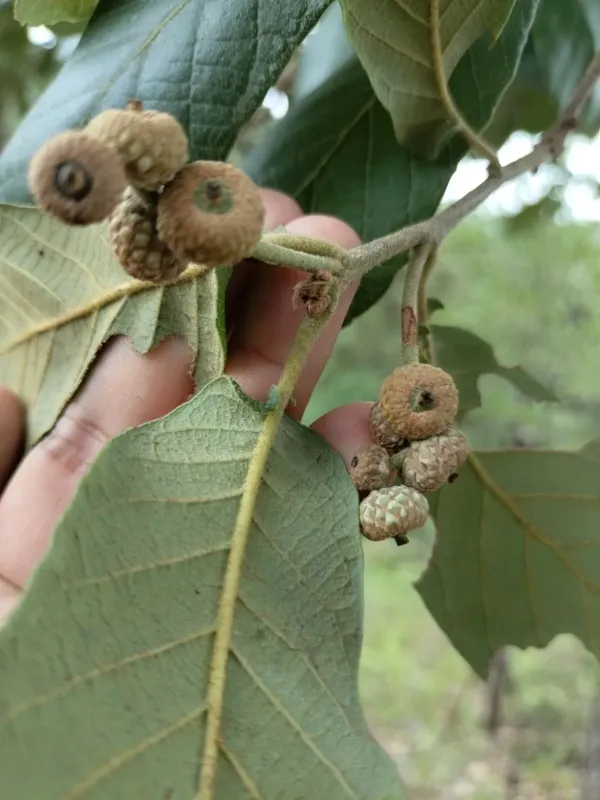
Netleaf oak (Quercus rugosa) is a prominent species of the Fagaceae family, widely recognized for its evergreen habit and thick, leathery leaves with a net-like, rugose surface. This species is native to mountainous regions spanning from the southwestern United States to central Mexico.
It is exceptionally well-adapted to high-altitude environments, thriving in rocky soils and diverse geological conditions. In terms of climate, the tree prefers moderate temperature ranges and demonstrates a remarkable resilience to drought once fully established in the landscape.
Soil requirements focus on excellent drainage, as the species does not tolerate saturated conditions or standing water. It performs best in slightly acidic to neutral soil types that provide enough depth for a robust root system to anchor effectively.
From an agricultural standpoint, the tree requires minimal intervention once reaching maturity. Successful establishment involves protecting young saplings from extreme heat and competition from faster-growing invasive grasses during the first few growing seasons.
The economic and practical utility of Quercus rugosa is extensive, ranging from erosion control in steep, mountainous terrain to providing a source of dense, durable wood. It is also increasingly utilized in xeriscaping projects due to its water-wise nature.
Main diseases and pests
The primary pathological threats include leaf spot fungi, which are often encouraged by poor air circulation. To manage this, planting sites should be selected based on natural slope exposure to ensure constant airflow through the canopy.
Pest management focuses largely on leaf-chewing insects and acorn weevils. Regular monitoring of the canopy health and ground litter sanitation are standard practices to minimize pest populations without excessive chemical usage.