
Netleaf oak
Quercus reticulata
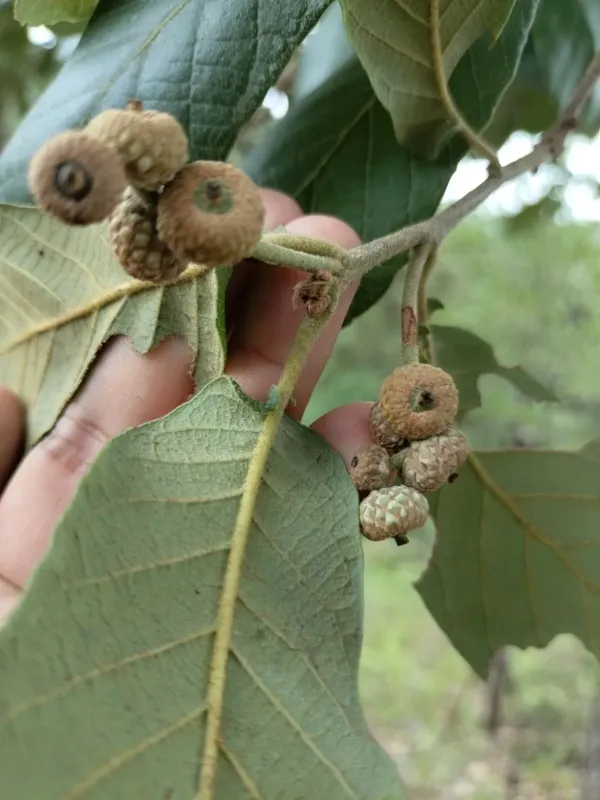
Description
Growing requirements
The Netleaf Oak (Quercus reticulata) is an evergreen tree belonging to the Fagaceae family. Native to the mountainous regions of Mexico and parts of Arizona, it has adapted to survive in diverse ecological niches within high-altitude zones.
This species is botanically distinct due to the reticulated, or net-like, venation pattern on its leaves, which provides its common name. The tree typically develops a dense canopy, contributing significantly to local biodiversity and soil stability.
In terms of soil requirements, the Netleaf Oak thrives best in well-drained, porous substrates. It shows a preference for soils that are slightly acidic to neutral, avoiding waterlogged sites that might cause root suffocation.
Regarding climate, this species prefers regions with moderate temperatures and stable moisture levels. It is not highly tolerant of severe, prolonged frosts and performs best when protected from extreme weather shifts.
Proper silviculture practices for this oak include selecting sites with sufficient exposure to indirect sunlight for young trees. As they mature, they require ample space for root development and adequate aeration to maintain the health of the tree structure.
Main diseases and pests
Root rot caused by fungal pathogens is a significant threat to Quercus reticulata, particularly in heavy or poorly drained soils. Maintaining proper soil moisture levels is critical to prevent such infections from taking hold.
Leaf-feeding insects, including various species of moth larvae, can pose a risk to the foliage during the spring growing season. Integrated pest management strategies, such as biological control, are recommended for large-scale forest stands.
Powdery mildew may occur during seasons characterized by high humidity and poor airflow. Managing the density of the tree canopy through strategic pruning helps to improve circulation and reduce the incidence of fungal spores.
Wood-boring beetles represent a threat primarily to trees that are already under physiological stress from drought or nutrient deficiency. Sustaining tree health through balanced fertilization is the most effective preventative measure.
Bacterial blight can affect twigs and branches, leading to dieback if left untreated. Regular monitoring of the canopy and removal of infected branches are essential to maintaining the overall vitality of the Netleaf Oak.