
Dwarf oak
Quercus pumila
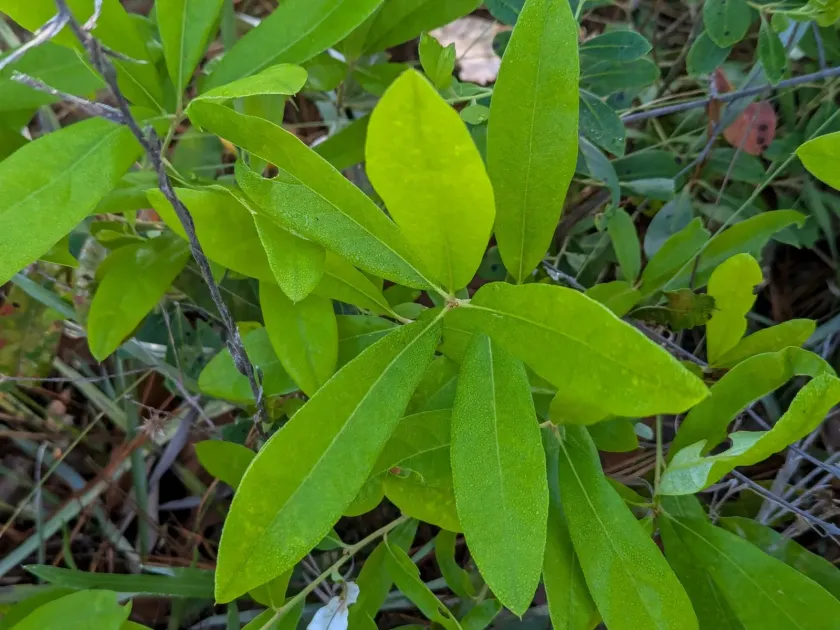
Description
Growing requirements
The Dwarf oak (Quercus pumila) is a member of the Fagaceae family, specifically recognized for its shrub-like growth habit. Originating from sandy habitats in the southeastern United States, it is a specialized species adapted to low-nutrient environments.
This species requires exceptionally well-drained soils. Sandy or sandy-loam substrates are ideal, as the plant is highly susceptible to root rot if water stagnation occurs in the root zone.
Regarding light, the Dwarf oak is an obligate sun-loving plant. It thrives in full sun exposure, which ensures its characteristic low and dense structural form, preventing the leggy growth seen in shaded environments.
Drought tolerance is a primary physiological strength of Quercus pumila. Once established, it can withstand periods of low rainfall, making it an excellent candidate for xeriscaping or sandy soil stabilization projects.
Agrotechnical maintenance focuses on minimal intervention. It does not require frequent fertilization, as the species is evolutionarily programmed to extract nutrients from poor, acidic, or neutral sandy soils.
Main diseases and pests
The most common disease affecting this shrub is powdery mildew. This fungal infection occurs primarily when air circulation around the canopy is restricted or when humidity levels remain consistently high.
Chlorosis is a frequent issue if the soil pH becomes too alkaline. Monitoring the soil balance is essential to ensure that the plant can effectively uptake necessary micronutrients from the ground.
Insect pests such as leaf-rollers and aphids are typical threats that focus on the tender foliage of new growth. These can cause aesthetic damage and, in severe cases, limit the plant's photosynthetic capacity.
Gall-forming wasps often lay eggs on the leaves, leading to the development of galls. While these growths are mostly cosmetic, heavy infestations should be monitored to ensure the plant's overall vitality remains stable.
Integrated pest management (IPM) is recommended for this crop. Removing fallen, diseased leaves and ensuring proper spacing between individual shrubs are the most effective cultural practices for long-term health.