
Cherrybark oak
Quercus pagoda
Description
Growing requirements
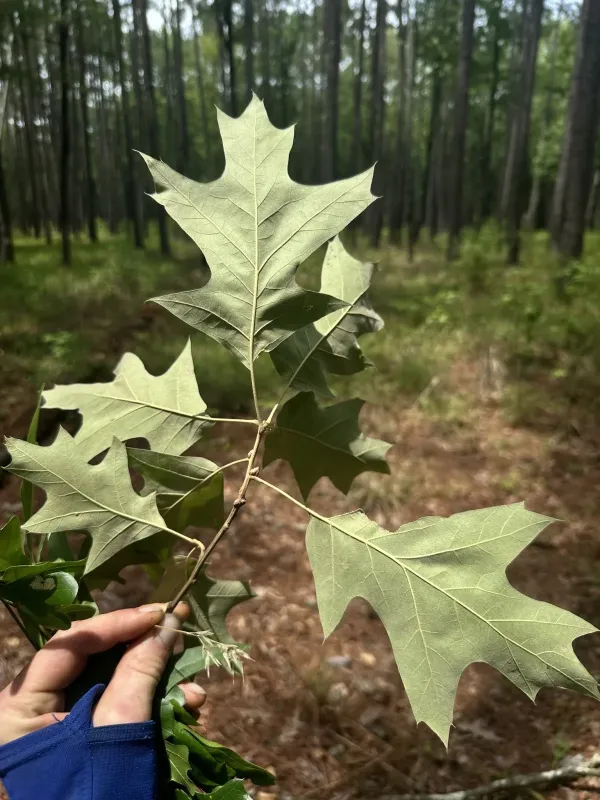
Cherrybark oak (Quercus pagoda) is a member of the Fagaceae family, widely recognized for its fast growth rate and distinctive leaf morphology. The leaves feature deep, symmetrical lobes that give the tree its unique, pagoda-like appearance.
Native to the southeastern United States, this species is typically found in well-drained alluvial soils along river bottoms and floodplains. It thrives in fertile environments where moisture is abundant but not stagnant, requiring deep soils to support its taproot system.
The plant prefers a temperate, humid climate with long growing seasons. While it can adapt to various conditions, consistent soil moisture is crucial for optimal development. It is a heliophytic species, demanding full sun exposure to reach its genetic growth potential.
Silvicultural practices for this oak include selecting high-quality planting sites and managing stand density to promote vertical growth. Pruning lower branches in early development stages is often recommended to ensure the production of clear, high-quality timber logs.
The economic significance of Cherrybark oak is rooted in its high-quality hardwood. The timber is highly valued in the lumber market due to its excellent strength, stability, and beautiful grain, making it ideal for interior woodwork, cabinetry, and flooring.
Main diseases and pests
The primary pathological threat to the species is oak wilt, a fungal disease that can be devastating to local populations. Strict management of movement of wood products and early detection of symptoms are essential strategies for maintaining plantation health.
Insect pests, such as various species of borers and defoliators, can impact the vigor of the trees. Integrated pest management, including regular inspections and maintaining biodiversity within the forest, helps mitigate the risks posed by these organisms.