
Cantabrian oak
Quercus orocantabrica
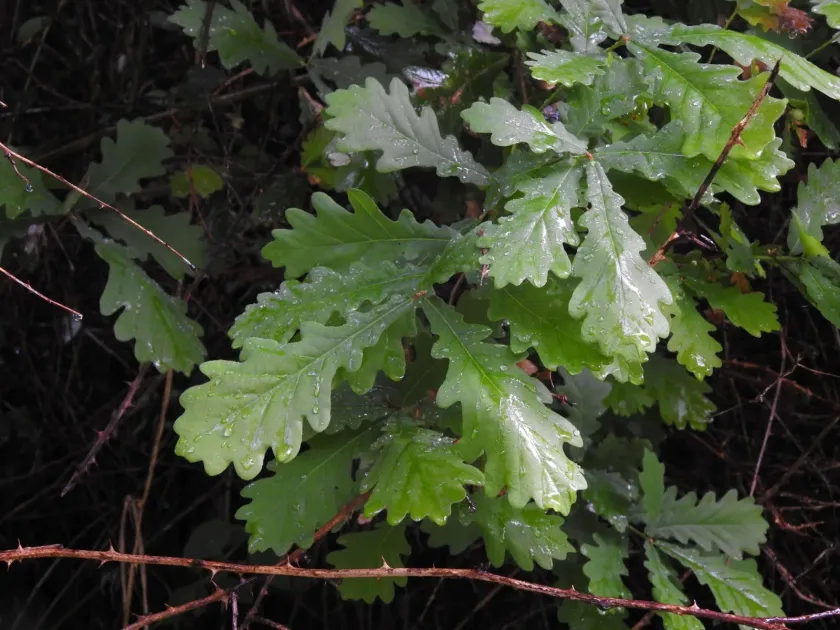
Description
Growing requirements
The Cantabrian oak (Quercus orocantabrica) is a distinct species of deciduous tree within the Fagaceae family. It is endemic to the high-altitude regions of the Cantabrian Mountains in Northern Spain, where it thrives in specific microclimates.
This species is highly adapted to montane environments, exhibiting resilience to cold winters and fluctuations in annual precipitation. Its growth habit is typically sturdy, allowing it to withstand the challenges posed by high-elevation topography.
Soil preferences lean towards well-drained, lime-rich substrates. While it can survive in nutrient-poor rocky soils, sufficient depth is necessary for the development of its extensive root system, which is crucial for nutrient uptake and anchorage.
Agrotechnical management involves careful site selection to ensure appropriate exposure and drainage. Due to its slow growth rate, initial establishment requires protection from competing vegetation to ensure the saplings secure a strong foothold.
Beyond its ecological value, Quercus orocantabrica contributes significantly to forest biodiversity. Its nuts serve as a vital food source for local wildlife, while its timber is valued for its durability and aesthetic characteristics in specialized woodworking.
Main diseases and pests
The most common disease impacting this species is powdery mildew, which can significantly inhibit photosynthesis during humid spring conditions by covering leaves in a fungal layer.
Root rot caused by Phytophthora species is a critical threat, especially in areas with poor drainage or where the soil remains waterlogged for extended periods during the dormancy phase.
Various insect pests, including leaf-mining larvae and wood-boring beetles, can cause localized damage that stresses the tree, making it more susceptible to secondary infections.
Browsing by wild ungulates presents a consistent pressure on young saplings, often requiring protective fencing to allow for successful forest regeneration in natural habitats.
Environmental stress, particularly prolonged drought, exacerbates the vulnerability of these oaks to pathogens, necessitating strategic silvicultural planning to maintain forest health.