
Blue Oak
Quercus oblongifolia
Description
Growing requirements
The Blue Oak (Quercus oblongifolia) is an evergreen tree species belonging to the Fagaceae family. Naturally occurring in arid environments, this species is highly valued for its ability to thrive in harsh, dry climates with minimal water availability.
This tree grows best in well-drained, rocky, or sandy soils. It is exceptionally sensitive to waterlogged conditions, making proper site selection with excellent drainage a primary requirement for successful cultivation and long-term health.
In terms of light, the species requires full sun exposure to maintain its dense, rounded crown. It is a slow-growing tree that integrates well into xeriscaping projects and large-scale afforestation efforts in areas prone to seasonal drought.
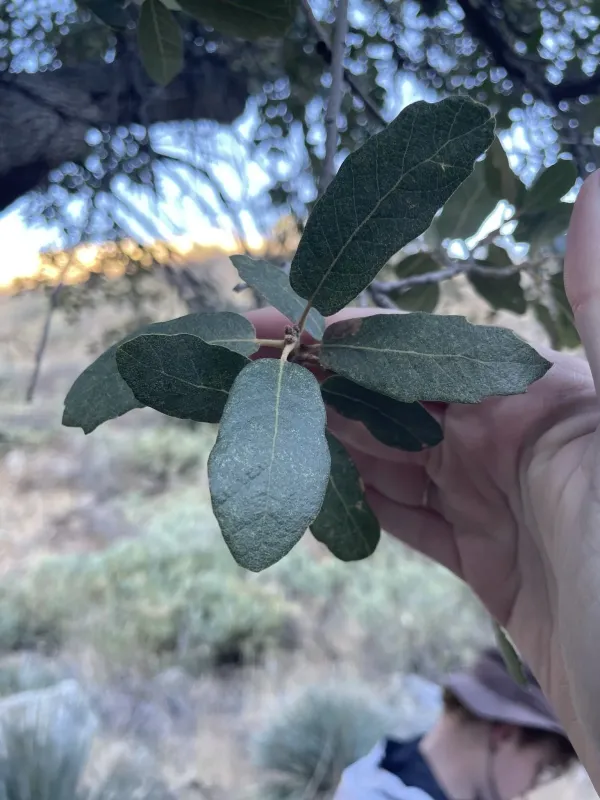
Botanically, Quercus oblongifolia is recognized by its oblong, leathery, blue-green leaves which remain on the tree year-round. This evergreen nature makes it a vital component for preventing soil erosion throughout the entire annual cycle.
Economically, it is utilized for watershed protection, habitat restoration, and as a natural resource for wildlife feed. Its acorns serve as a significant nutrient source in wildland management and sustainable agroforestry practices.
Main diseases and pests
The primary threats to this species involve fungal pathogens that affect the foliage, particularly when air circulation is poor or humidity levels remain abnormally high. Proper spacing during planting is essential for disease prevention.
Insect pests such as acorn weevils can significantly reduce the viability of seed crops. Implementing integrated pest management strategies is crucial for nurseries and conservation areas tasked with regenerating these oak stands.
Root rot, often caused by improper watering practices or heavy, compacted soil, represents a major threat to the survival of young saplings. Ensuring a light, porous soil structure is vital for healthy root development.
Late spring frosts can severely damage the tender new growth of young trees, which may lead to stunted development. Protective measures may be necessary during the first few years of the tree's life cycle.
Environmental stress, including prolonged heat waves and competition from invasive weeds, can suppress growth. Maintaining a clean, mulched root zone helps conserve moisture and reduces competition for nutrients.