
Water oak
Quercus nigra
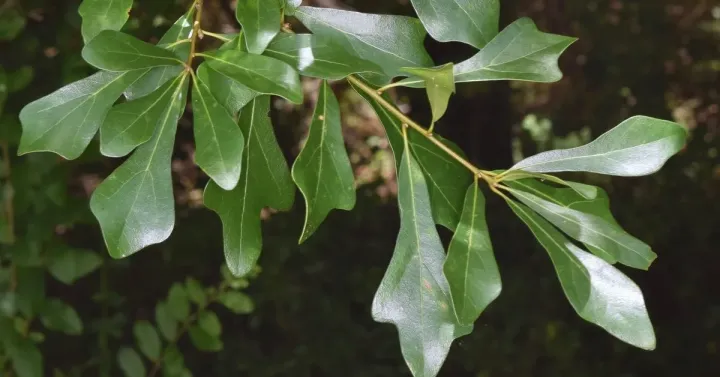
Description
Sowing dates
The propagation of the water oak is primarily done through acorns, which should be planted soon after collection to maintain viability. The seeds are recalcitrant and do not tolerate prolonged storage in dry conditions.
For optimal results, direct sowing in autumn is recommended, allowing the acorns to undergo natural stratification throughout the winter. If spring sowing is necessary, cold stratification is required to break dormancy.
Acorns should be buried at a depth of approximately 3 to 5 centimeters. This depth provides adequate protection against predators while allowing the taproot to establish securely in the soil.
In nursery environments, the use of containers is preferred for cultivating water oak seedlings. This method ensures that the root system is well-formed, which is critical for survival when outplanted in the field.
Spacing between rows should be carefully planned to ensure adequate light exposure. As the tree matures, it requires significant space to develop its characteristic wide-spreading crown and strong trunk.
Growing requirements
The water oak belongs to the Fagaceae family and is native to the southeastern United States. It is a fast-growing species that thrives in diverse environmental conditions, showing notable adaptability.
While this tree is capable of growing in various soil types, it performs best in moist, well-drained loamy soils. It is particularly noted for its ability to tolerate periodically wet sites, which makes it a resilient choice for flood-prone areas.
Water oak is highly photophilous and requires full sun to achieve its maximum growth rate. Planting in shaded areas will significantly reduce the tree's vigor and may lead to a sparse canopy structure.
The climate requirements include a preference for moderate to warm temperatures. While the tree can tolerate cold, it is most productive in regions where the growing season is sufficiently long.
Proper soil management involves ensuring adequate drainage and maintaining soil fertility. Although the tree is somewhat tolerant of poor conditions, periodic fertilization in early stages significantly boosts annual height increments.
Main diseases and pests
Oak wilt is the most dangerous pathogen affecting the water oak. This vascular disease can spread rapidly through root grafts, so isolating infected trees and monitoring for symptoms is vital for forestry health.
Various insect pests, including leaf miners and gall wasps, can cause cosmetic and physiological damage. While usually not fatal to mature trees, significant defoliation can weaken younger saplings.
Powdery mildew is a common fungal threat, especially in nurseries with high humidity levels and poor airflow. Managing plant density and providing adequate ventilation are effective control strategies.
Acorn weevils are a major concern during the seed collection stage. Proper processing and inspection of acorns are necessary to ensure that a high percentage of seeds are healthy and ready for germination.
Root rots are common in poorly drained soils. Site selection is the primary defense mechanism against these pathogens, as maintaining healthy root systems is paramount for the long-term survival of the plantation.