
Myrtle oak
Quercus myrtifolia
Description
Growing requirements
Myrtle oak (Quercus myrtifolia) is an evergreen tree or shrub species belonging to the Fagaceae family. It is native to the southeastern United States, particularly the coastal regions, where it thrives in sandy, nutrient-poor landscapes.
This species is highly adapted to well-drained, sandy soils. It is notably drought-tolerant, making it an excellent choice for stabilizing dunes and xeriscaping projects in climates with limited rainfall.
The climate requirements for Quercus myrtifolia are strictly subtropical to mild temperate. It does not tolerate prolonged freezing temperatures, which limits its outdoor cultivation to specific warmer USDA zones.
In terms of cultivation, the plant requires full sun exposure to maintain its compact and dense shrubby habit. Proper spacing is essential to ensure adequate airflow and prevent the development of moisture-related diseases.
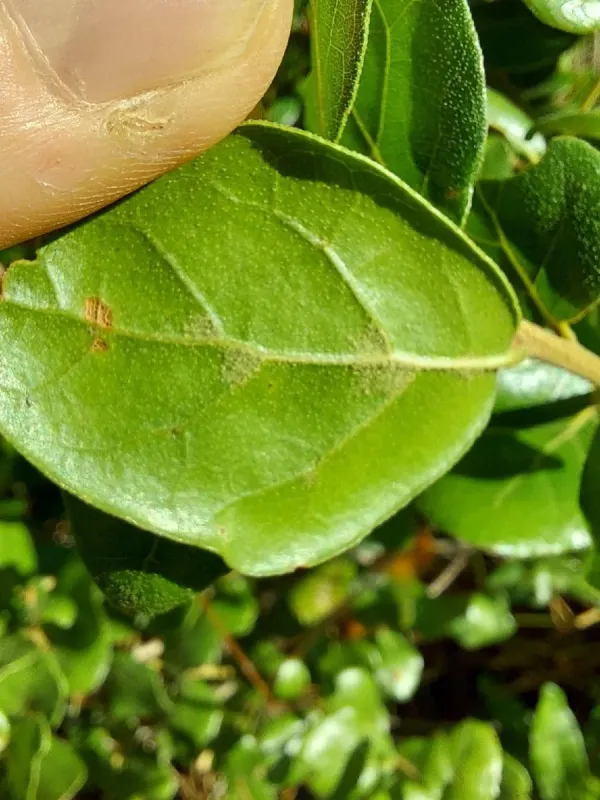
Botanically, it is recognized by its small, leathery, myrtle-like leaves which give it a unique aesthetic appeal. The growth rate is relatively slow, allowing the plant to remain manageable for long periods in ornamental garden settings.
Main diseases and pests
The primary threats to the health of the Myrtle oak are soil-borne fungi, particularly those causing root rot in environments where water drainage is insufficient or impeded by heavy soil texture.
Pest issues include typical oak defoliators such as leaf miners and gall wasps. While rarely fatal to mature trees, heavy infestations can reduce the aesthetic quality and vigor of the plant.
Bacterial blight can also pose a risk if the plant is subjected to severe stress from improper watering or excessive humidity, leading to branch dieback and decreased vitality.
To mitigate these risks, it is recommended to monitor the foliage and bark regularly and to remove any dead or infected woody material to prevent the spread of diseases.
Integrated pest management strategies are advised, focusing on maintaining tree health through correct site selection and soil amendment rather than heavy reliance on chemical intervention.