
Chestnut oak
Quercus montana
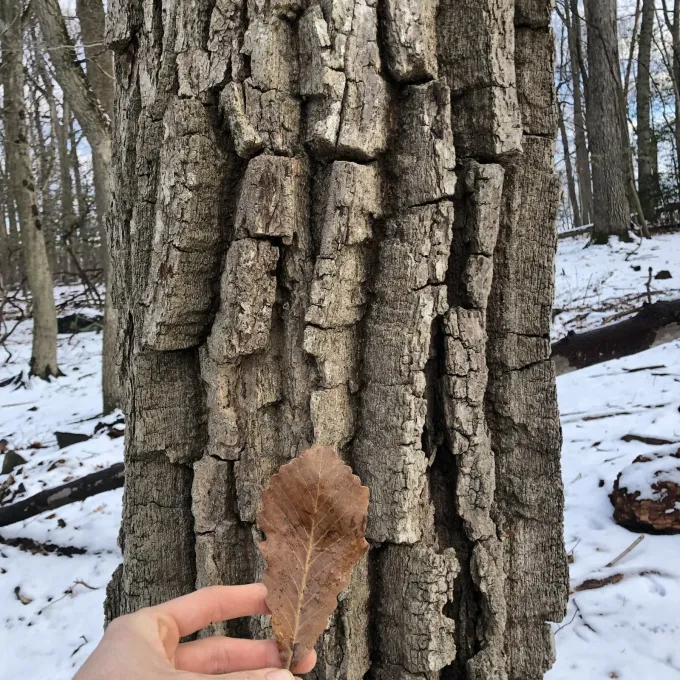
Description
Sowing dates
Seeds of Quercus montana, known as acorns, should be sown in the autumn directly after collection to take advantage of natural winter stratification which is essential for germination.
If spring planting is preferred, acorns must be stored in a cool, moist environment to prevent them from drying out, which causes the embryo to lose viability.
Seeds are placed at a depth of 5 to 8 centimeters, allowing enough soil coverage to protect them from both desiccation and common forest predators like rodents.
Row spacing in nursery beds should be kept at least 1 meter apart to ensure that each seedling receives enough light and nutrients without competitive pressure from neighbors.
Initial maintenance after germination includes weeding and keeping the seedlings free from invasive ground cover that could stifle growth during the critical first growing season.
Growing requirements
Chestnut oak belongs to the Fagaceae family and is native to the Appalachian Mountains, typically inhabiting rocky, well-drained ridges and slopes.
The species is known for its ability to thrive in poor, acidic soils where other hardwood species might struggle to establish a robust root system.
Full sun exposure is a primary requirement for the healthy development of this tree, as it shows poor shade tolerance, particularly during its sapling stage.
It displays remarkable drought tolerance, adapting to environments with irregular rainfall patterns by growing deep taproots that reach into lower soil horizons.
While tolerant of low-nutrient environments, consistent soil aeration is vital for the health of Quercus montana, as compacted earth inhibits gas exchange in the roots.
Yield
The primary utility of Chestnut oak is the production of high-quality, durable timber, often marketed as white oak lumber due to its physical properties.
Its wood is exceptionally hard and resistant to rot, making it a preferred material for outdoor structures, heavy-duty flooring, and high-end cabinetry.
Beyond timber, the tree is a keystone species in North American forests, providing substantial food resources for wildlife in the form of high-tannin acorns.
In conservation forestry, the Chestnut oak is highly valued for its ability to stabilize steep, eroded slopes and improve soil structure over long periods.
Economic harvesting typically occurs in multi-decadal cycles, as the species requires significant time to reach the girth necessary for industrial timber production.
Main diseases and pests
Powdery mildew represents a significant fungal threat to foliage, particularly in nurseries where high humidity levels allow the pathogen to spread rapidly.
The chestnut oak is also susceptible to root rot, which typically develops in poorly drained areas where water accumulation creates anaerobic conditions.
Pests such as the oak leafroller and various species of weevils can cause substantial damage to both the canopy and the reproductive acorn crop.
Sudden Oak Death and other systemic wilts can pose localized threats, requiring constant vigilance and the removal of infected branches to prevent wider transmission.
Managing the risk of fire is essential in young plantations, as even moderate heat can cause irreversible damage to the thin bark of saplings.