
Banj oak
Quercus leucotrichophora
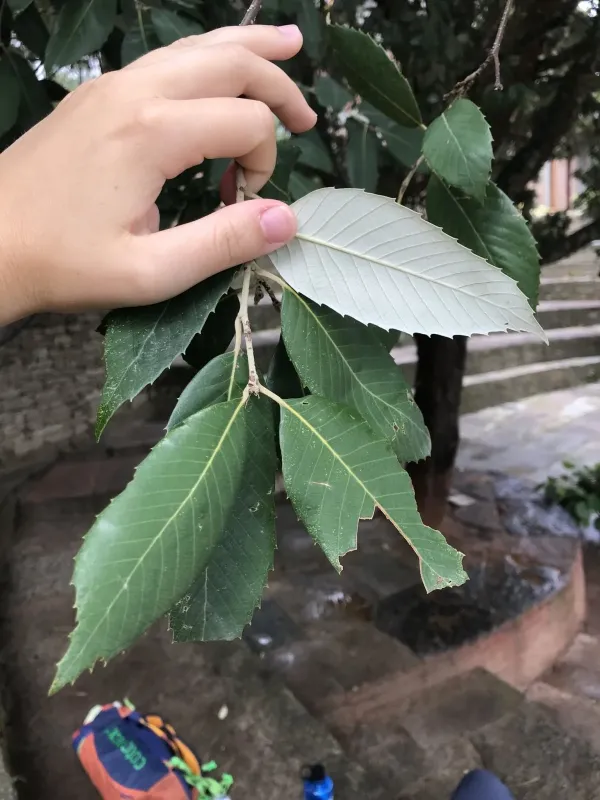
Description
Growing requirements
Banj oak (Quercus leucotrichophora) is a prominent evergreen tree species from the Fagaceae family, native to the Himalayan region. It serves as a keystone species, supporting biodiversity and providing essential resources for local mountain agriculture.
The tree thrives in well-drained, deep, and fertile soils. It prefers temperate climatic conditions and is highly valued for its ability to stabilize steep mountain slopes through its extensive and dense root system.
Proper silvicultural management involves adequate spacing between seedlings to ensure optimal access to sunlight and soil nutrients. Young trees require protection from direct, harsh sun and frost during their first years of establishment in open sites.
The culture is highly valued for its fodder properties, as its leaves provide high-quality protein for livestock, especially during winter months. Additionally, its wood is utilized for various rural agricultural implements.
Sustainable cultivation practices include regular thinning to allow for healthy crown development and the retention of forest leaf litter to improve soil composition. This approach ensures the long-term productivity of oak-based agroforestry systems.
Main diseases and pests
Root pathogens and various fungal infections pose a significant threat, especially in waterlogged areas where drainage is insufficient. These diseases can lead to rapid wilting and tree mortality.
Leaf-eating insects and borer beetles are common pests that can degrade the quality of the foliage and wood. Implementing integrated pest management strategies is crucial for maintaining healthy plantations.
Mistletoe infestation is a prevalent issue that can severely restrict the tree's vigor. Regularly pruning infected branches helps keep the trees healthy and prevents the spread of the parasite to neighboring individuals.
Unregulated grazing remains the primary obstacle to successful regeneration. Establishing exclusion zones and community-managed protection fences is vital to safeguard young saplings from browsing animals.
Climate-induced moisture stress makes trees more susceptible to secondary infestations. Maintaining soil moisture through mulching and proper site selection is essential for mitigating the impact of prolonged dry seasons.