
Laurel oak
Quercus laurifolia
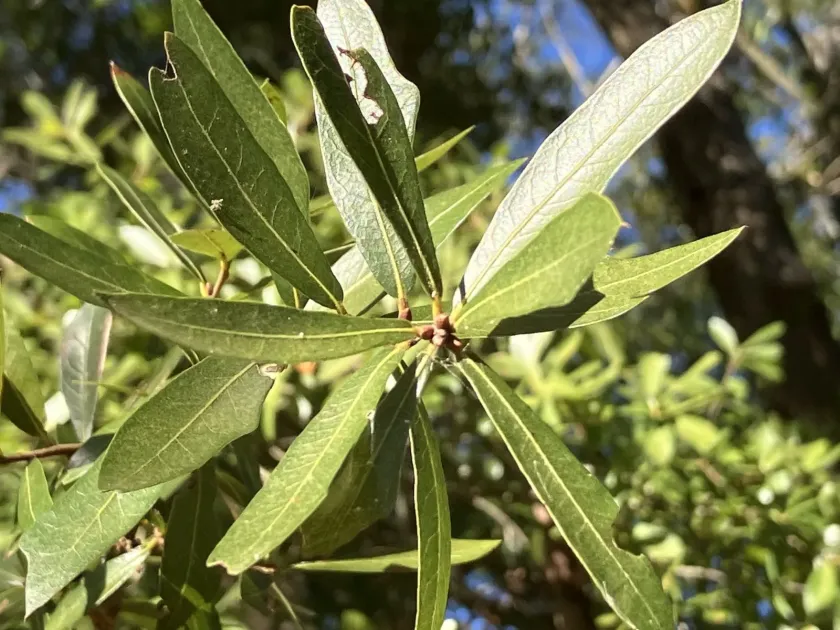
Description
Growing requirements
Laurel oak (Quercus laurifolia) is a deciduous to semi-evergreen tree belonging to the Fagaceae family. It is native to the coastal plains of the southeastern United States, typically found in moist, well-drained soils along riverbanks and bottomlands.
This species is highly adaptable but thrives best in sandy, acidic soils with high organic matter content. It is recognized for its ability to tolerate moisture, although it does not survive in soils that are constantly waterlogged or prone to deep stagnation.
Climate requirements include mild winters and long, warm summers. As a species characteristic of subtropical and warmer temperate zones, it is sensitive to severe frost, which can cause significant damage to young shoots and leaves.
Sunlight exposure should be full to partial shade for younger trees, while mature specimens require full sun to develop a dense, wide-spreading canopy. This makes it an excellent choice for ornamental street planting and park development.
Maintenance involves regular irrigation during establishment and periodic mulching. Mulching helps to maintain soil moisture, regulate root temperature, and provide slow-release nutrients as the organic material decomposes.
Main diseases and pests
Laurel oak is susceptible to several environmental and pathological threats, with bacterial leaf scorch being one of the most serious systemic diseases affecting mature trees.
Fungal pathogens such as powdery mildew and various leaf spot diseases can affect the foliage during humid spring weather, potentially reducing the tree's overall vigor and aesthetic value.
Common insect pests include scale insects and various species of borers, which can damage the cambium layer if the tree is already stressed by drought or poor soil conditions.
Root rot, particularly caused by Phytophthora species, remains a significant concern in areas with inadequate drainage, necessitating careful site selection prior to planting the trees.
Management strategies focus on maintaining tree health through proper nutrition and hydration, combined with immediate pruning of any infected branches to prevent the spread of localized pathogens.