
Lamellosa oak
Quercus lamellosa
Description
Growing requirements
The lamellosa oak (Quercus lamellosa) is a prominent evergreen species belonging to the Fagaceae family. Naturally occurring in the Himalayan regions of Bhutan, Nepal, and Northeast India, this tree is known for its impressive stature, capable of growing up to 40 meters in height under ideal wild conditions.
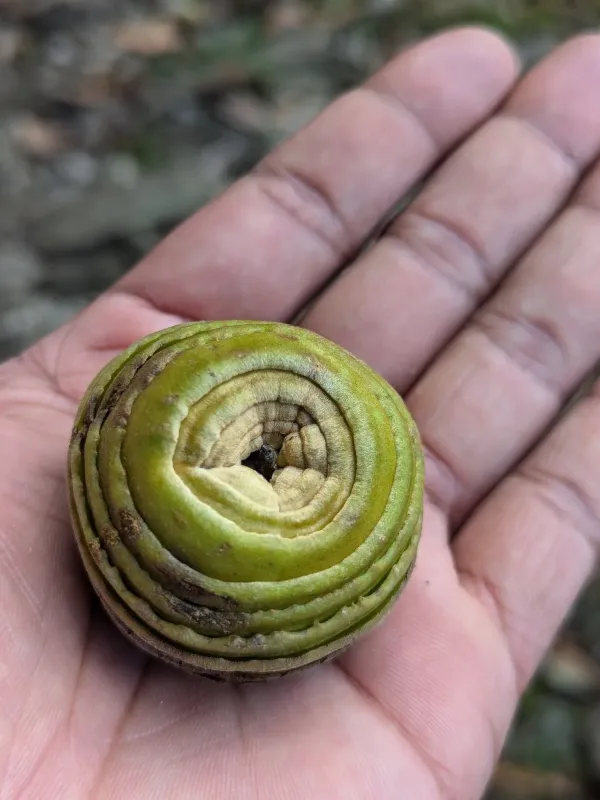
Botanically, the species is distinguished by its large, elliptic leaves that can reach up to 35 centimeters in length, often featuring serrated margins. The acorns are particularly notable for their large, deep, and heavily scaled cups, which serve as the primary diagnostic feature for identifying the species within its native habitat.
In terms of agricultural requirements, this oak species thrives in cool, moist, and high-altitude environments. It prefers deep, nutrient-rich soils with excellent drainage, as the species is highly susceptible to root damage caused by waterlogged conditions. It generally performs best in areas with high annual precipitation.
Cultivation practices involve providing adequate spacing between trees to ensure proper canopy development and light access. While the species is relatively slow-growing, it requires consistent moisture during its juvenile phase to establish a robust root system capable of supporting its massive growth later on.
Economically, Quercus lamellosa is valued for its dense, durable wood, which is utilized in construction and high-quality furniture making. In its native range, the tree is also an important component of the mountain ecosystem, providing essential habitat and food resources for a variety of wildlife species.
Main diseases and pests
The primary threat to lamellosa oak plantations includes fungal diseases, particularly those affecting the roots when soil drainage is insufficient. Careful soil management and the avoidance of compacted site conditions are vital steps for maintaining a healthy plantation.
Foliar pathogens, such as powdery mildew, can pose a risk in areas with high humidity and limited airflow. Proper thinning of the canopy and maintaining adequate spacing between individual trees help to mitigate the spread of these common fungal infections.
Insect pests, including wood-boring beetles and various defoliators, can damage the tree's vascular system or foliage. Regular monitoring of the forest stands allows for early intervention, often using integrated pest management strategies to limit the impact of these pests.
Winter injury can be a significant issue if the trees are planted outside their optimal climatic range. Sudden temperature fluctuations can lead to bark splitting, which invites secondary infections, therefore choosing the right site is the first line of defense against abiotic stress.
The long-term health of an oak stand is heavily dependent on maintaining optimal sanitary conditions. Removing wind-damaged or diseased timber promptly prevents the buildup of pest populations that could otherwise threaten the health of the entire forest block.