
Kew Oak
Quercus kewensis
Description
Growing requirements
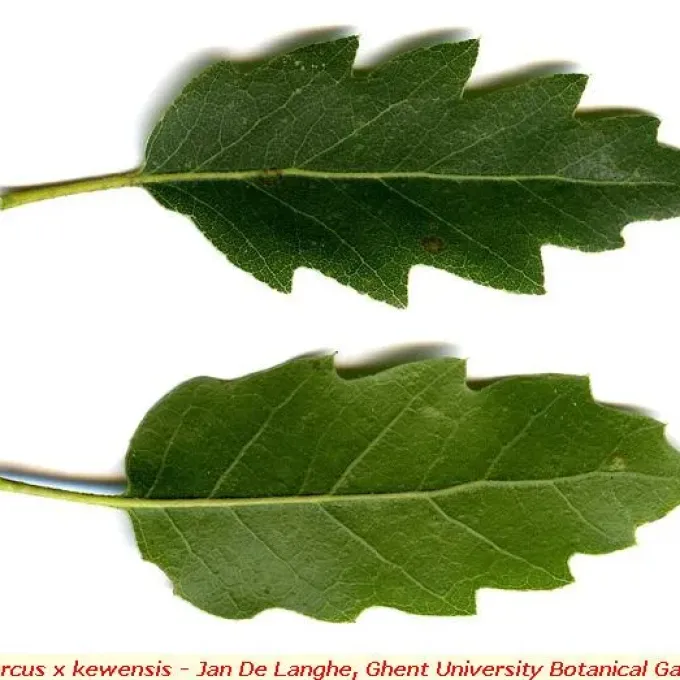
The Kew Oak (Quercus kewensis) is a rare and distinct interspecific hybrid belonging to the Fagaceae family. Developed in the Royal Botanic Gardens, Kew, this tree is a botanical curiosity resulting from intentional hybridization aimed at enhancing ornamental foliage traits.
Cultivation of this species requires well-drained, nutrient-rich soil to ensure optimal development. While it adapts to various soil types, loamy textures with a slightly acidic pH provide the best growth conditions for the established root system.
Regarding climatic requirements, the Kew Oak thrives in temperate zones with moderate rainfall. It requires a sunny position to develop its characteristic branching structure and to maintain the health and coloration of its leaves throughout the growing season.
Basic agronomic practices include the application of slow-release fertilizers in the early spring and consistent irrigation during the establishment phase. Proper spacing is essential to ensure adequate airflow and to prevent the development of moisture-related issues.
In landscaping, this tree is highly prized as a specimen plant. Its architectural presence and the unique shape of its leaves make it a preferred choice for professional arborists working in botanic gardens and luxury estate landscapes.
Main diseases and pests
The Kew Oak is susceptible to common oak pathogens, including powdery mildew and root rot if soil drainage is compromised. Vigilance is required during humid periods to detect early signs of fungal infection on the foliage.
Common pests include oak leaf miners and various defoliating caterpillars. Regular monitoring of the canopy is recommended, with localized intervention using horticultural soaps or systemic treatments when infestation thresholds are exceeded.