
Bluejack oak
Quercus incana
Description
Growing requirements
The Bluejack oak (Quercus incana) is a deciduous tree belonging to the Beech family (Fagaceae). This species is native to the southeastern United States, where it thrives in dry, sandy forest environments and scrublands.
This tree requires well-drained, acidic soil to grow successfully. It performs exceptionally well in sandy substrates that are generally poor in nutrients, making it a hardy species for challenging landscapes.
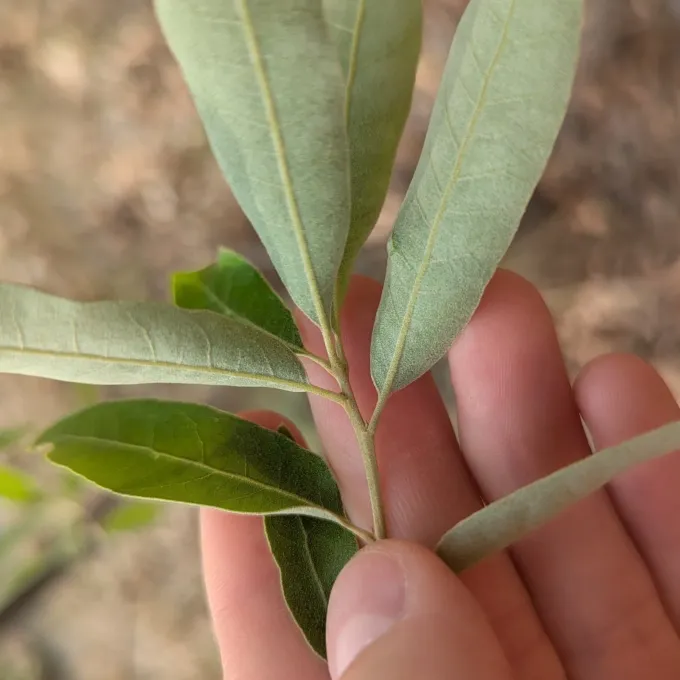
In terms of climate, the species is highly drought-tolerant. It prefers full sun exposure, which is essential for maintaining the characteristic silvery-gray foliage that distinguishes this oak from other members of the genus.
Botanically, it is identified by its gray, pubescence-covered leaves and its ability to maintain a smaller, spreading stature compared to other forest oaks. It is a slow-growing tree that integrates well into native xeriscaping.
Its economic value is primarily focused on environmental conservation and ornamental landscaping. It is frequently utilized for stabilizing sandy soils and as a key component in restoring natural habitat areas.
Main diseases and pests
Root rot is the most significant threat to the Bluejack oak, often caused by poor drainage or overwatering. Proper site selection focusing on sandy or gravelly soils is the best preventative measure against this issue.
Fungal infections such as leaf spots can occur if the humidity levels around the foliage remain high for extended periods. Promoting airflow through the canopy by proper spacing is crucial for tree health.
Pests like defoliating caterpillars and various oak-specific beetles may occasionally attack the tree. Monitoring the foliage during the growing season is advised to detect infestations early before they cause significant damage.
Powdery mildew is another risk factor, especially in crowded plantations with limited air movement. Regular sanitary pruning to remove dead or infected branches helps in maintaining the overall resistance of the tree.
Management of these threats involves a combination of cultural practices and targeted chemical control when necessary. Prioritizing healthy soil conditions remains the primary method for ensuring longevity and vigor.