
Shingle oak
Quercus imbricaria
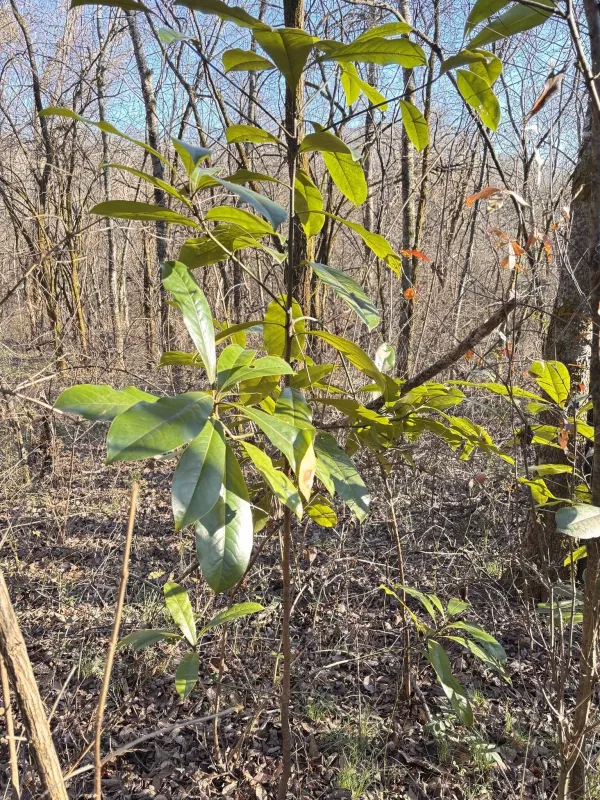
Description
Growing requirements
Shingle oak (Quercus imbricaria) belongs to the Fagaceae family. Native to the central and eastern United States, this deciduous tree is commonly found in river valleys and moist hillsides, exhibiting strong adaptability.
The species prefers deep, rich, and well-drained soils. While it can tolerate slightly acidic or neutral pH levels, it performs best when provided with adequate soil moisture and organic matter content.
In terms of climate, the Shingle oak is known for its hardiness. It thrives in full sun exposure and is capable of handling the diverse weather conditions typical of its native temperate distribution range.
Botanically, it is distinct for its glossy, lanceolate leaves that lack the lobes common in other oak species. This unique foliage turns a beautiful russet or bronze color during the autumn season.
Horticulturally, it is prized as a shade tree and a structural element in landscape design. Its slow to moderate growth rate and relatively narrow crown in youth make it suitable for spacious parks and avenues.
Main diseases and pests
The tree is occasionally susceptible to powdery mildew, especially in environments with high humidity and poor airflow. Maintaining proper spacing between trees helps reduce the occurrence of such fungi.
Leaf-feeding insects, including caterpillars and aphids, may cause localized damage. While usually not fatal to a mature tree, these pests can impact the aesthetic quality of the foliage during the summer months.
Boring insects, such as the two-lined chestnut borer, represent a more severe threat, particularly if the tree is already stressed by drought or environmental factors, potentially leading to branch dieback.
Galls caused by various species of wasps may appear on leaves or twigs; however, these are generally considered cosmetic issues that do not require extensive chemical treatment or drastic intervention.
Integrated Pest Management (IPM) practices, such as removing infested twigs and maintaining tree vigor through mulching and appropriate irrigation, remain the most effective methods for long-term health.