
Bear oak
Quercus ilicifolia
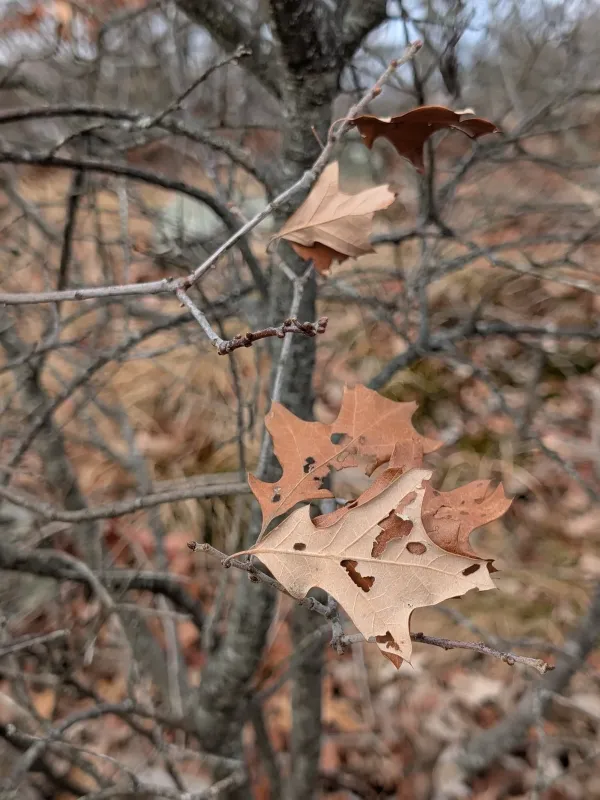
Description
Sowing dates
The propagation of Quercus ilicifolia, commonly known as Bear oak, is primarily conducted through seeds by sowing acorns. Autumn is the most favorable season for sowing, as it allows for natural stratification during the winter months, which is essential for uniform germination in the spring.
If seeds are held until spring, they must be stored in a cool, moist environment to prevent them from desiccating. Seeds should be planted at a depth of 5–7 centimeters in well-drained, loose soil, maintaining sufficient spacing between rows to facilitate seedling growth.
Protection against wildlife, particularly rodents that feed on acorns, is a critical step in the sowing process. Utilizing wire mesh or specialized barriers can significantly improve the survival rate of the newly sown crop.
Seedling growth during the first year is typically slow as the plant prioritizes the development of a robust root system. Regular weeding and maintaining adequate soil moisture are essential during this early establishment phase to ensure the young oaks are not outcompeted.
Nursery cultivation often employs container methods to allow for better control over the root environment and to simplify transplanting. This approach ensures higher success rates when moving the plants to their permanent field locations.
Growing requirements
Bear oak is a member of the Fagaceae family, natively distributed across the eastern United States. It is a highly resilient shrub or small tree that thrives in harsh, nutrient-poor, rocky, or sandy soils where other species often struggle to establish.
The species demonstrates excellent tolerance to acidic soil conditions, making it an ideal candidate for reforestation or the stabilization of degraded landscapes. It is a sun-loving plant that requires full sunlight exposure to maintain its characteristic structure and health.
Water requirements for mature Bear oaks are relatively low, as the species is well-adapted to drought-prone environments. Once established, the root system is capable of accessing moisture at significant depths, providing stability even in dry climates.
The plant generally does not reach a great height, often forming dense thickets that provide excellent cover for wildlife. This habit makes it valuable in ecological restoration projects aimed at creating habitat for birds and small mammals.
Agricultural management is minimal, consisting mainly of occasional pruning to remove dead wood and monitoring of general plant vigor. The species is hardy and generally does not require intensive fertilization to thrive.
Main diseases and pests
Common pathological threats include fungal infections such as powdery mildew, which can affect the leaves during periods of high humidity. Improving airflow around the plants and avoiding overcrowded planting can mitigate these risks effectively.
Various insect pests, including leaf-eating caterpillars and acorn weevils, can cause significant damage. In forested regions, outbreaks of gypsy moth larvae can be particularly destructive to the crown of the trees, necessitating monitoring programs.
Bacterial pathogens may enter the plant through pruning wounds or environmental damage. Maintaining strict hygiene standards, such as disinfecting tools between pruning sessions, is essential to prevent the spread of infections within the population.
Root rot is a potential risk in areas with poor drainage or stagnant water. Ensuring that the planting site has adequate permeability is crucial for the long-term vitality of the oak, as it prefers well-drained conditions over saturated ones.
Integrated pest management strategies are recommended, focusing on early detection and the use of biological control methods where possible. Such approaches help to protect the tree while minimizing the ecological footprint of the intervention.