
Humboldt's Oak
Quercus humboldtii
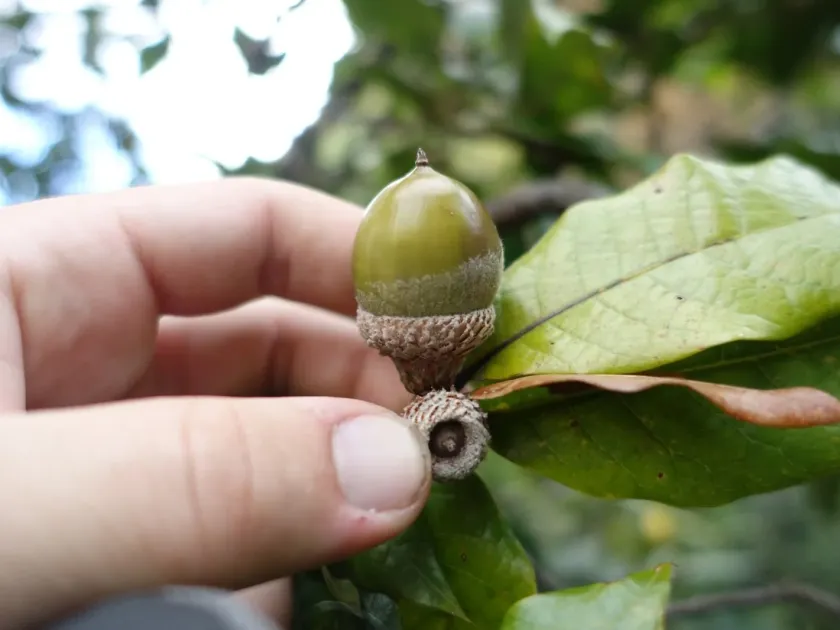
Description
Sowing dates
Humboldt's Oak is an evergreen tree belonging to the Fagaceae family, native to the high-altitude cloud forests of the northern Andes.
Propagation is primarily achieved through acorns, which must be sown immediately after harvest as they quickly lose viability due to their high moisture content.
In nursery conditions, seeds should be placed in well-draining media to promote healthy root development while preventing seed rot from excessive water.
Seedlings are typically outplanted into permanent sites at the onset of the rainy season to ensure they are well-established before the drier months.
Proper spacing is crucial for successful establishment, ensuring each tree has enough access to light and nutrients while minimizing early competition from grasses.
Growing requirements
This species thrives in high-elevation tropical environments, typically between 1000 and 3000 meters above sea level, enjoying mild temperatures year-round.
It prefers deep, fertile, and well-aerated soils, showing poor performance in either waterlogged conditions or excessively arid, rocky substrates.
High humidity and consistent rainfall are vital for this oak, as it has adapted specifically to the cloud forest climate of the Colombian and Panamanian Andes.
While seedlings may benefit from some initial shade, the species is generally light-demanding as it matures, requiring clearing of surrounding vegetation.
Maintenance of the plantation involves regular weed control and monitoring of soil health to ensure that the trees do not face competition for limited resources.
Yield
Humboldt's Oak is highly valued for its dense, durable wood, which is utilized for high-quality construction and fine furniture manufacturing.
The potential yield of timber is measured over long forestry cycles, with well-managed stands producing straight, high-quality logs for industrial use.
Sustainable forest management practices allow for the thinning of stands, which provides early timber products while promoting the growth of final-crop trees.
The wood's natural resistance to decay in certain conditions makes it a preferred choice for specialized woodworking projects within its native range.
Optimizing growth through careful selection of planting sites and consistent silvicultural management significantly increases the economic return of this crop.
Main diseases and pests
Root rot, often caused by pathogens like Phytophthora, represents a major threat, particularly in nursery settings where drainage might be insufficient.
Foliar insects and leaf-miners can cause significant damage to young plantations, reducing the overall photosynthetic capacity and vigor of the trees.
Deforestation and habitat fragmentation are the primary threats to the species at the landscape level, leading to the loss of genetic diversity.
Improper site preparation and failure to manage surrounding vegetation can lead to high seedling mortality rates in the early years of the project.
- Root rot fungi
- Defoliating beetles
- Bacterial cankers
- Invasive grass competition