
Honda oak
Quercus hondae
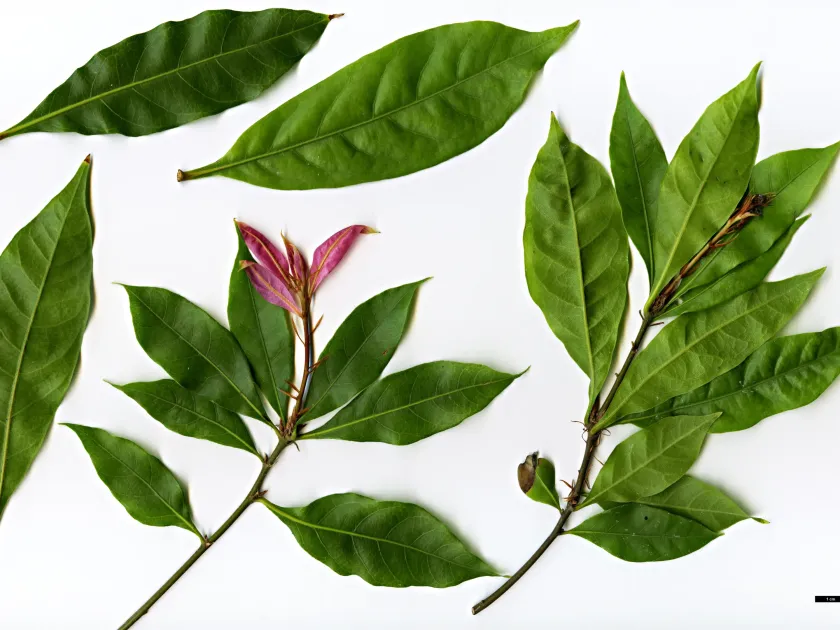
Description
Growing requirements
The Honda oak (Quercus hondae) is a prominent species within the Fagaceae family, native to the diverse forest ecosystems of Japan. This deciduous tree is recognized for its robust structure and its significant role in the regional woodland ecology.
Regarding cultivation requirements, Quercus hondae thrives in deep, well-drained loamy soils that provide a stable moisture supply without the risk of waterlogging. It performs best in regions characterized by temperate maritime climates.
Light availability is a critical factor for the healthy development of this species. While seedlings can tolerate partial shade, mature trees require full canopy exposure to maximize photosynthesis and achieve optimal annual growth rates.
Soil nutrient management is essential for long-term productivity. The tree benefits from a soil pH range that supports the uptake of vital micronutrients, preventing common physiological disorders associated with mineral deficiencies in acidic soils.
From a commercial perspective, the Honda oak is valued for its high-quality timber, which is dense and durable. Beyond industrial use, the tree serves as an important component in habitat restoration and urban greening projects in its native range.
Main diseases and pests
The primary threats to Quercus hondae include fungal pathogens that target the root system, particularly in sites with poor soil aeration. These infections can lead to root rot, which significantly weakens the structural integrity of the tree.
Pest management is focused on preventing infestations by wood-boring beetles and defoliating insects. Early detection through regular forest health inspections is the most effective strategy to mitigate potential economic losses.
Climate change poses a long-term risk, as altered precipitation patterns may increase the tree's susceptibility to drought stress or prolonged flooding. These environmental stressors can lower the resistance of the oak to secondary opportunistic pathogens.
Invasive plant species can outcompete young oaks for resources, demanding consistent site maintenance. Controlling competition during the initial establishment phase is crucial for ensuring the survival of new plantings.
To preserve the genetic diversity and health of Quercus hondae populations, it is vital to apply sustainable forestry practices. Avoiding excessive clear-cutting and maintaining a natural forest floor are key actions to support the tree's natural defense mechanisms.