
Bartram oak
Quercus heterophylla
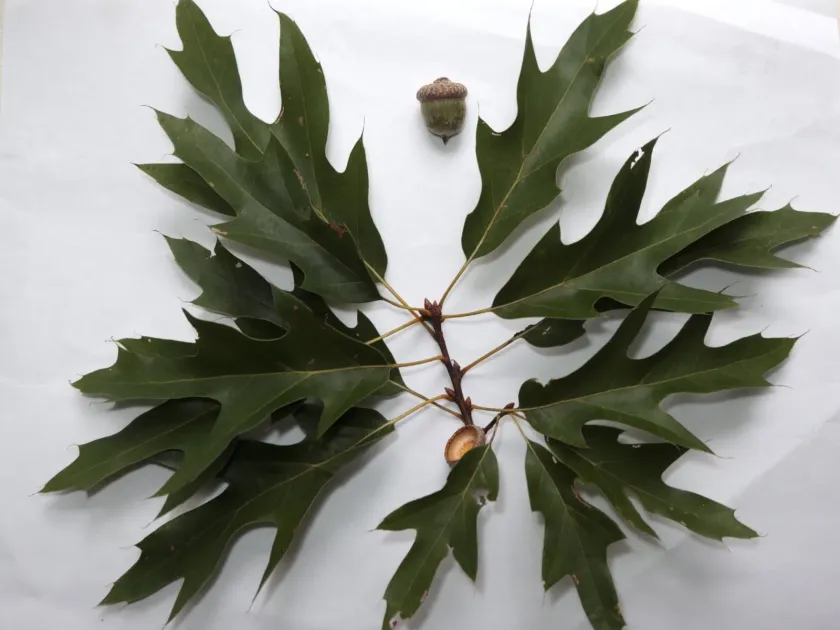
Description
Growing requirements
The Bartram oak (Quercus heterophylla) is a natural hybrid of the willow oak and the red oak, belonging to the Fagaceae family. It is highly regarded by botanists for its distinctive, variable leaf shape that makes it a standout specimen in forest collections.
Native to North America, this tree thrives in temperate climates where deep, moist, and well-drained soils are available. It is sensitive to soil compaction and requires adequate space for its root system to penetrate into the deeper soil layers for nutrient absorption.
When cultivating this species, it is essential to provide full sun exposure. In the early stages of growth, the tree requires consistent irrigation to establish a healthy root system, especially during hot and dry summer months common in its native range.
Maintenance techniques for this crop include light pruning to manage canopy structure and the application of mulch to preserve moisture and suppress weeds. Proper site selection is critical, as the tree prefers sites with slightly acidic soil pH to reach its maximum height.
The economic and practical use of the Bartram oak is primarily centered on ornamental landscaping and arboretum specimen planting. Its ability to provide shade and visual interest makes it a valuable asset for municipal urban forestry projects.
Main diseases and pests
Common health concerns for this species include powdery mildew, which can affect foliage during humid and stagnant weather conditions. Proper plant spacing and avoiding overhead irrigation are effective cultural control methods.
In terms of insect pests, aphids and leaf miners may occasionaly infest the canopy. Integrated pest management, focusing on encouraging natural predators, is recommended over aggressive chemical intervention to maintain tree vitality.