
Graves oak
Quercus gravesii
Description
Growing requirements
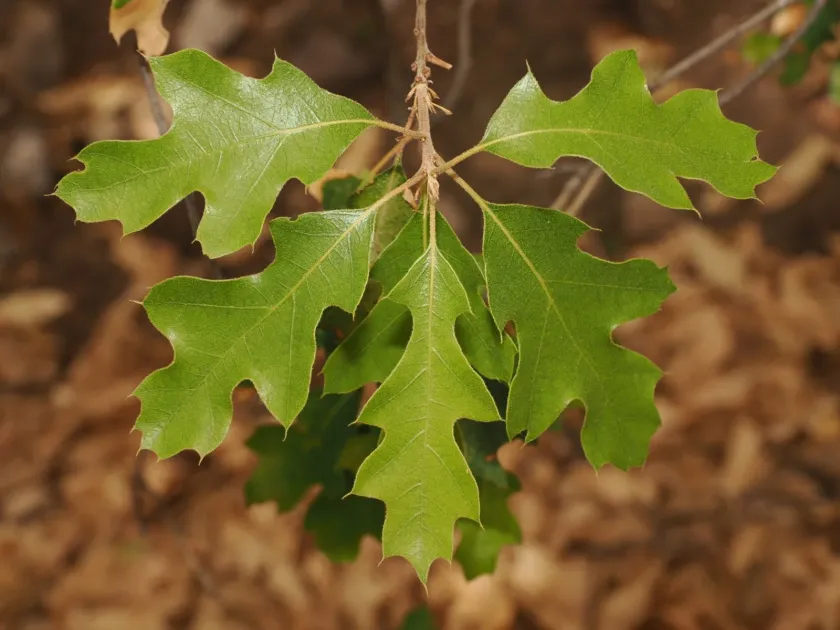
The Graves oak (Quercus gravesii) is a deciduous tree species belonging to the Fagaceae family, native to the mountainous regions of Texas and Northern Mexico. It is highly valued for its ornamental appeal, characterized by lobed leaves that turn brilliant shades of red and bronze in the autumn.
This species thrives in well-drained soils and shows a preference for limestone-based or neutral substrates. Its biological architecture allows it to adapt well to drought conditions, making it an excellent candidate for xeriscaping and sustainable landscape design projects.
Cultivation requires full sun exposure to ensure the proper development of the canopy and the development of the characteristic fall coloration. While adaptable, the tree performs poorly in heavy, clay-rich soils that retain excessive moisture and restrict root aeration.
The Graves oak is relatively slow-growing, especially during its juvenile stage. Proper agricultural practices involve deep watering during the establishment phase, transitioning to minimal intervention as the tree develops a deep, robust taproot system.
Climate adaptation is a key factor; while the tree is hardy in its native range, practitioners in colder zones should ensure protection against severe winter desiccation. Proper spacing during planting is essential to allow for the future mature spread of the crown.
Main diseases and pests
Powdery mildew is a common concern during humid summers, particularly if the tree is located in an area with poor air circulation. Improving spacing and pruning for light penetration are effective cultural management strategies.
Wood-boring insects present a potential risk, particularly to trees subjected to environmental stress or mechanical damage. Maintaining tree vigor through proper site selection and watering is the best defense against these pests.
Foliar feeders, such as caterpillars and gall wasps, may cause minor cosmetic damage. While usually not lethal to mature trees, large-scale infestations may require integrated pest management interventions to preserve foliage health.
Root pathogens thrive in waterlogged conditions, making proper soil drainage the most important preventive measure. Avoiding injury to the root collar during lawn maintenance also helps prevent the entry of decay-causing fungi.
Bacterial leaf scorch is another potential threat that can lead to crown dieback. Diagnostic monitoring of symptoms is recommended, followed by the removal of dead wood to prevent the spread of pathogens throughout the tree canopy.