
Japanese evergreen oak
Quercus gilva
Description
Growing requirements
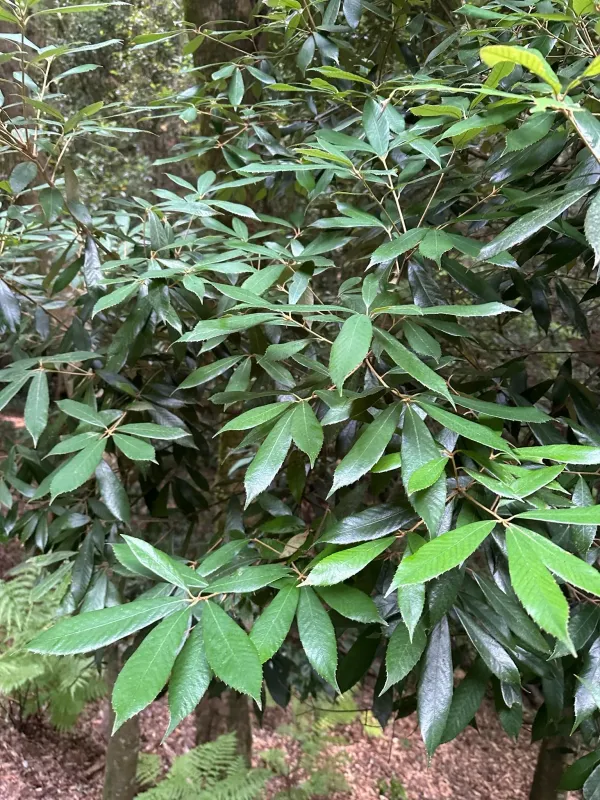
The Japanese evergreen oak (Quercus gilva) belongs to the Fagaceae family. This evergreen tree can grow to a considerable size, developing a broad, dense crown with glossy, attractive foliage that provides significant shade.
Native to Eastern Asia, including Japan, Korea, and China, the species thrives in humid, subtropical climates. It is well-adapted to regions with mild winters and consistent annual rainfall.
Cultivation requires fertile, well-draining soils with a neutral to slightly acidic pH. Selecting a site that offers protection from drying winds and provides ample sunlight is critical for healthy establishment and growth.
As a thermophilic species, it requires careful site selection in cooler temperate regions and protection against extreme frost when young. The optimal temperature range for active growth is between +18 and +25 degrees Celsius.
Agrotechnical care involves regular irrigation during dry spells, especially for young saplings. Applying mulch around the base helps retain soil moisture and protects the root system from temperature fluctuations.
Yield
The economic value of Quercus gilva is primarily centered on forestry and high-quality landscaping. Its timber is highly regarded for its exceptional density, durability, and resistance to environmental decay.
Due to its aesthetic appeal, it is a popular choice for urban greening and public parks. It also serves as an important species in ecological reforestation projects designed to restore woodland biodiversity.
Yields of wood biomass depend significantly on the spacing of the trees and the quality of forest management. Proper silvicultural practices encourage straight trunk development and higher wood quality.
Ongoing selection and research on Quercus gilva focus on improving growth rates and climate adaptability. Advanced cultivation methods continue to shorten the cycle required for trees to reach commercial maturity.
Beyond its timber utility, this species offers substantial environmental benefits, including air purification and microclimate regulation, making it a sustainable choice for large-scale forestry and green spaces.
Main diseases and pests
Common diseases affecting this species include fungal infections such as powdery mildew and anthracnose, which typically occur in overly humid conditions. Regular sanitary thinning of the canopy is an effective preventive measure.
Pests that may threaten tree health include leaf beetles and wood-boring insects. Consistent monitoring of the bark and foliage allows for early intervention before infestations become widespread.
- Preventive application of fungicides during early spring.
- Sanitary pruning of dead or diseased branches to improve airflow within the crown.
- Monitoring soil health to prevent root rot and other pathogen-related issues.
Adhering to best practices in fertilization and moisture management helps maintain tree vigor and resistance. Healthy, well-nourished oaks are naturally more resilient against common pests and environmental stress.
In industrial forestry, integrating companion species can create a more balanced ecosystem, helping to naturally regulate pest populations and ensuring the long-term health of the oak plantation.