
Georgia oak
Quercus georgiana
Description
Growing requirements
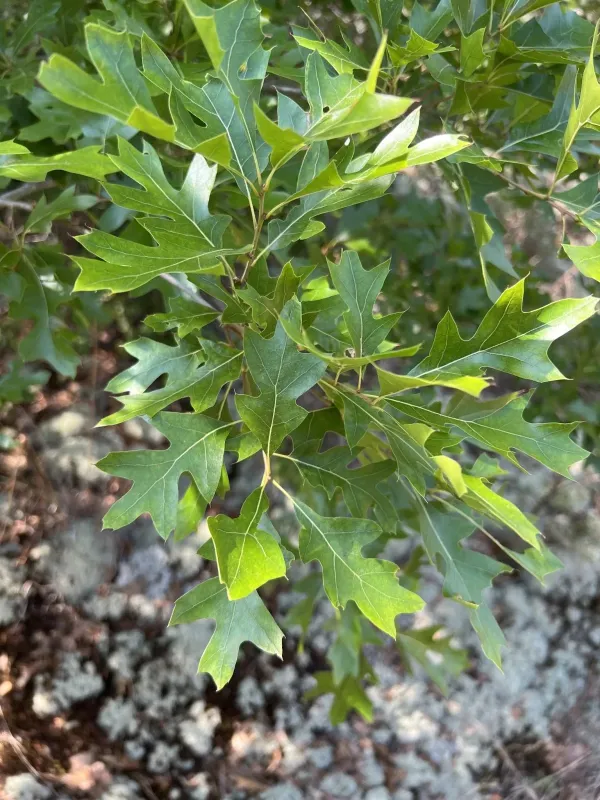
The Georgia oak (Quercus georgiana) is a species within the Fagaceae family. It is a rare tree native to a restricted range in the southeastern United States, often found in rocky, granite-outcrop environments.
In terms of cultivation, this species prefers well-drained, acidic to neutral soils. It is particularly sensitive to soil compaction and waterlogging, which necessitate careful site selection and preparation before planting.
Botanically, Quercus georgiana is known for its relatively slow growth rate and attractive foliage. Its ability to tolerate dry, rocky sites makes it a robust candidate for xeriscaping and sustainable landscape design in appropriate climates.
The tree thrives in full sun, which is essential for developing a dense, healthy crown and promoting long-term vigor. While it may tolerate partial shade, maximum growth potential is realized under consistent exposure to light.
Economically and ornamentally, the species is highly regarded for its rarity and beauty. It is frequently utilized in botanical gardens and specialized arboretums to enhance biodiversity and aesthetic value.
Main diseases and pests
Powdery mildew is a significant threat, especially in humid and stagnant air conditions. Ensuring proper spacing and airflow between trees is the primary cultural practice to mitigate this risk.
Leaf-eating insects, such as caterpillars, can periodically cause defoliation. Integrated pest management strategies, focusing on early detection, are necessary to protect the aesthetic appeal of the trees.
Root rot fungi can affect the tree if drainage systems fail. Maintaining proper moisture levels and avoiding over-irrigation are critical steps for the long-term health of the root system.
Oak wilt is a serious concern for many species in the genus Quercus, and although Georgia oak is localized, vigilance against any vascular pathogens is recommended for all plantation managers.
Environmental stressors such as extreme drought or pollution can weaken the tree, making it more susceptible to opportunistic pests and secondary infections throughout its lifespan.