
Gemelliflora Oak
Quercus gemelliflora
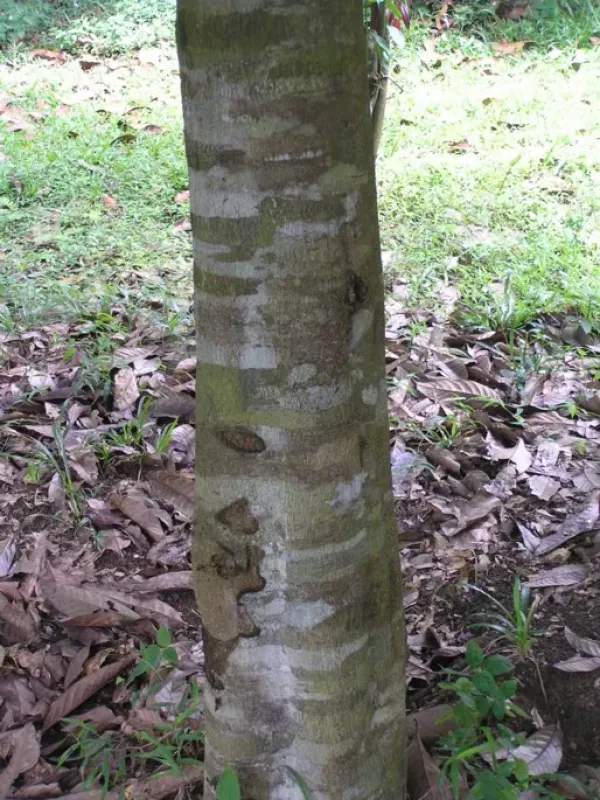
Description
Growing requirements
The Gemelliflora oak (Quercus gemelliflora) belongs to the Fagaceae family. It is a distinct evergreen tree species native to the tropical montane forests of Southeast Asia, particularly within the Malay Archipelago regions.
The culture thrives in tropical environments characterized by high humidity and consistent temperatures throughout the year. It lacks a dormant season, making it highly adapted to stable climate zones where frost is completely absent and moisture is abundant.
Soil requirements for this species include deep, well-drained, and nutrient-rich substrates. It is naturally accustomed to the acidic forest soils found in mountainous areas, relying on a steady accumulation of organic matter for nutrient cycling and optimal tree growth.
The species is botanically notable for its unique inflorescence architecture, which differentiates it from other oak varieties. These adaptations facilitate pollination and seed development within the complex structure of a tropical canopy, ensuring the survival of the population.
Economically, the wood of Quercus gemelliflora is valued for its density and durability. It is primarily utilized in regional construction and high-quality woodwork, while in conservation terms, it serves as a critical component of tropical mountain ecosystem stability.